Digital Nomad
Your Step-by-Step Guide to a Digital Nomad Lifestyle
A step-by-step guide to becoming a digital nomad: what the lifestyle involves, including downsides such as isolation, how to prepare your skills and finances, and how to find remote work.
On this page
In today’s dynamic work environment, the dream of embracing the digital nomad lifestyle working remotely while travelling the world has become increasingly achievable. With advancements in technology and a growing shift towards location-independent careers, many are leaving behind traditional 9-5 jobs for the freedom and flexibility that come with remote work. This guide covers all the essential steps you need to take to successfully transition into the digital nomad lifestyle, from practical tips to best practices for working on the go.
1. Understanding the Digital Nomad Lifestyle
1.1 Who is a Digital Nomad?
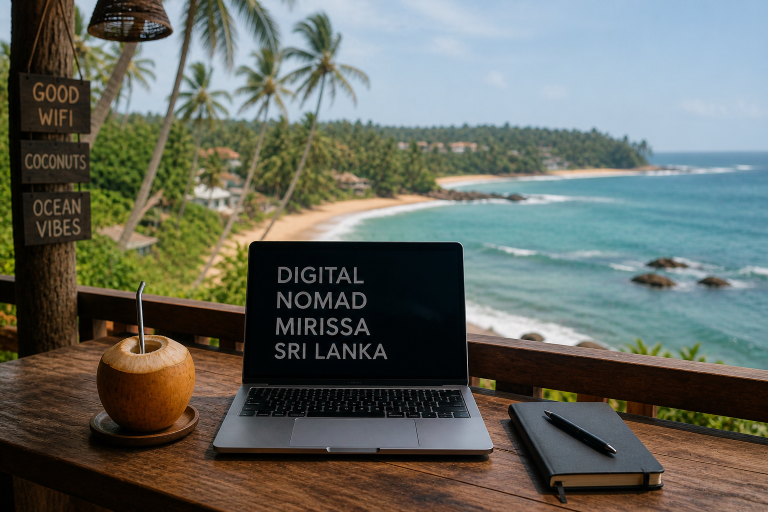
A digital nomad is someone who leverages technology to work remotely while exploring different parts of the world. Unlike traditional remote workers who might work from home, digital nomads choose to work from diverse locations, whether it’s a beachside cafe in Bali or a co-working space in Lisbon.
Common professions for digital nomads include freelance writing, graphic design, web development, and consulting. Many digital nomads also work on contracts or run their own online businesses. While remote work typically means working for a company from anywhere, freelancing often involves short-term gigs across various clients.
1.2 Benefits of Being a Digital Nomad
The digital nomad lifestyle offers unparalleled flexibility and freedom. You can set your own hours, choose your work environment, and explore new cultures along the way. It also presents the opportunity to build a diverse professional network meeting other like-minded nomads, entrepreneurs, and freelancers from around the world.
1.3 Challenges of the Digital Nomad Lifestyle
The Digital Nomad Lifestyle Tips highlight the freedom of this lifestyle, but there are challenges too. Isolation is common, as digital nomads may miss the social engagement found in traditional workplaces. Frequent travel can make maintaining a work-life balance difficult, and navigating different visa and legal requirements across countries adds further complexity.
2. Preparing for the Transition
2.1 Assessing Your Current Situation
Before jumping into the digital nomad lifestyle, take some time to evaluate your current job and skills. Are your skills in demand in the remote workspace? What changes do you need to make in your career to go remote?
Next, consider your finances. Create a budget that includes travel expenses, living costs, and a financial safety net. It’s also wise to identify remote work opportunities in your industry whether it’s freelancing, contract work, or remote employment.
2.2 Developing Remote Work Skills
To thrive as a digital nomad, you’ll need a solid skill set. Communication and collaboration are key, as you’ll be working across different time zones and often without face-to-face interaction. There are numerous online courses and resources to help you sharpen your remote work skills, including time management, project management, and digital tools.
2.3 Setting Up Your Finances
Opening a remote-friendly bank account with low fees for international transactions is essential. You’ll also want to look into managing your taxes as a digital nomad and how to comply with laws in different countries. Budgeting is a crucial factor in fluctuating living costs, healthcare, and emergency funds.
3. Finding Remote Work Opportunities
3.1 Job Boards and Platforms for Remote Work
Several job boards cater specifically to remote workers and digital nomads, such as We Work Remotely, Remote.co, and Upwork. Make sure your resume and cover letter stand out by showcasing your remote work experience and adaptability.
3.2 Networking and Community Building
Networking is a powerful tool for finding remote work. Social media platforms like LinkedIn can help you connect with other remote professionals, while forums and digital nomad communities provide support and collaboration opportunities. Attend digital nomad events to meet potential employers and expand your network.
3.3 Freelancing vs. Employment
When choosing between freelancing and remote employment, consider your lifestyle and preferences. Freelancing offers more flexibility but can come with income instability. Employment provides job security but may require more structured hours. It’s important to weigh the pros and cons before making the transition.
4. Choosing Your Destinations
4.1 Factors to Consider When Choosing a Location
When picking a destination, think about the cost of living, internet access, and safety. Many digital nomads gravitate towards affordable cities with strong internet connections and coworking spaces. Look into local healthcare, accessibility, and amenities before committing to a destination.
4.2 Popular Destinations for Digital Nomads
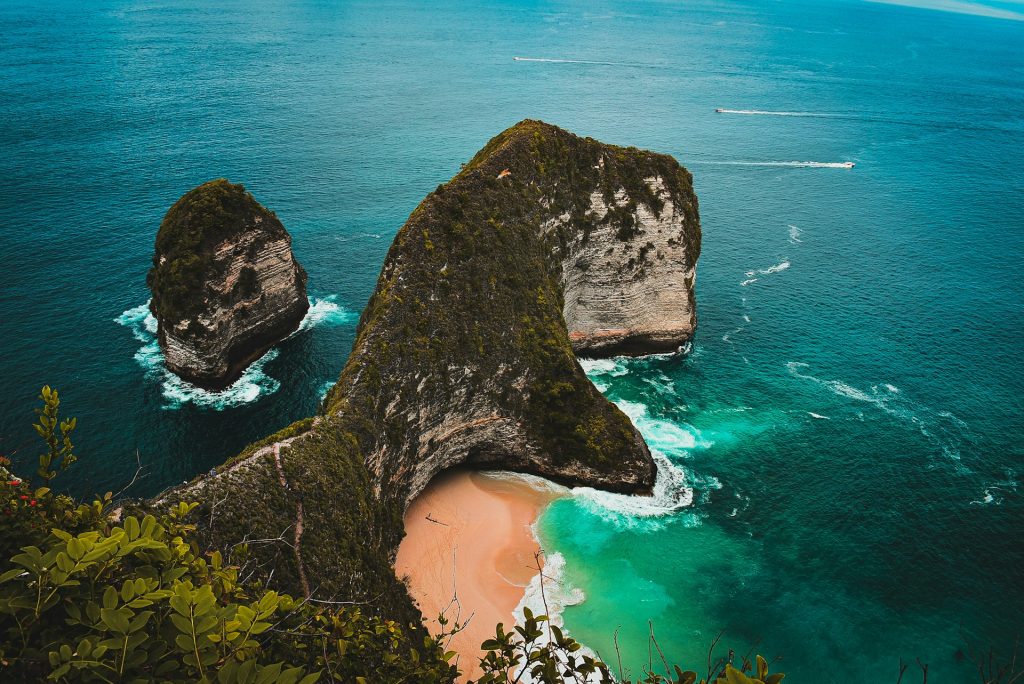
Some trending cities for digital nomads include Bali, Indonesia, Kandy for its vibrant community and affordable lifestyle; Lisbon, Portugal, for its rich culture and growing nomad scene; and Barcelona, Spain, for its blend of urban life and beach relaxation. Explore lesser-known cities for unique experiences and potentially lower costs.
4.3 Creating a Travel Itinerary
As a digital nomad, your travels need to be well-planned. Try to strike a balance between work and exploration, and give yourself time to settle into each location. Planning ahead for accommodations, visas, and workspaces will save you headaches on the road.
5. Maintaining Work-Life Balance on the Road
5.1 Establishing a Routine
Creating a daily routine is critical to maintaining productivity. Find a workspace that suits your needs whether it’s a coworking space or a quiet corner in a café. Setting boundaries between work and leisure will help keep you from burnout.
5.2 Staying Connected and Organized
Use digital tools and apps to stay organized and connected with clients, employers, or teammates. Apps like Slack, Asana, and Trello can help with project management and collaboration. Set regular check-ins to ensure smooth communication.
5.3 Self-Care and Mental Health
Being a digital nomad can be stressful, so it’s important to prioritize your mental well-being. Incorporate exercise, healthy eating, and downtime into your routine. Use apps like Headspace for mindfulness practices, and don’t hesitate to seek out support from fellow travellers or professionals.
Conclusion
Embracing the digital nomad lifestyle requires planning, flexibility, and a proactive approach to balancing work and travel. With the right preparation, you can achieve a lifestyle that offers freedom and fosters both personal and professional growth. Follow these digital nomad lifestyle tips to successfully navigate the challenges and enjoy the opportunities of a location-independent life!