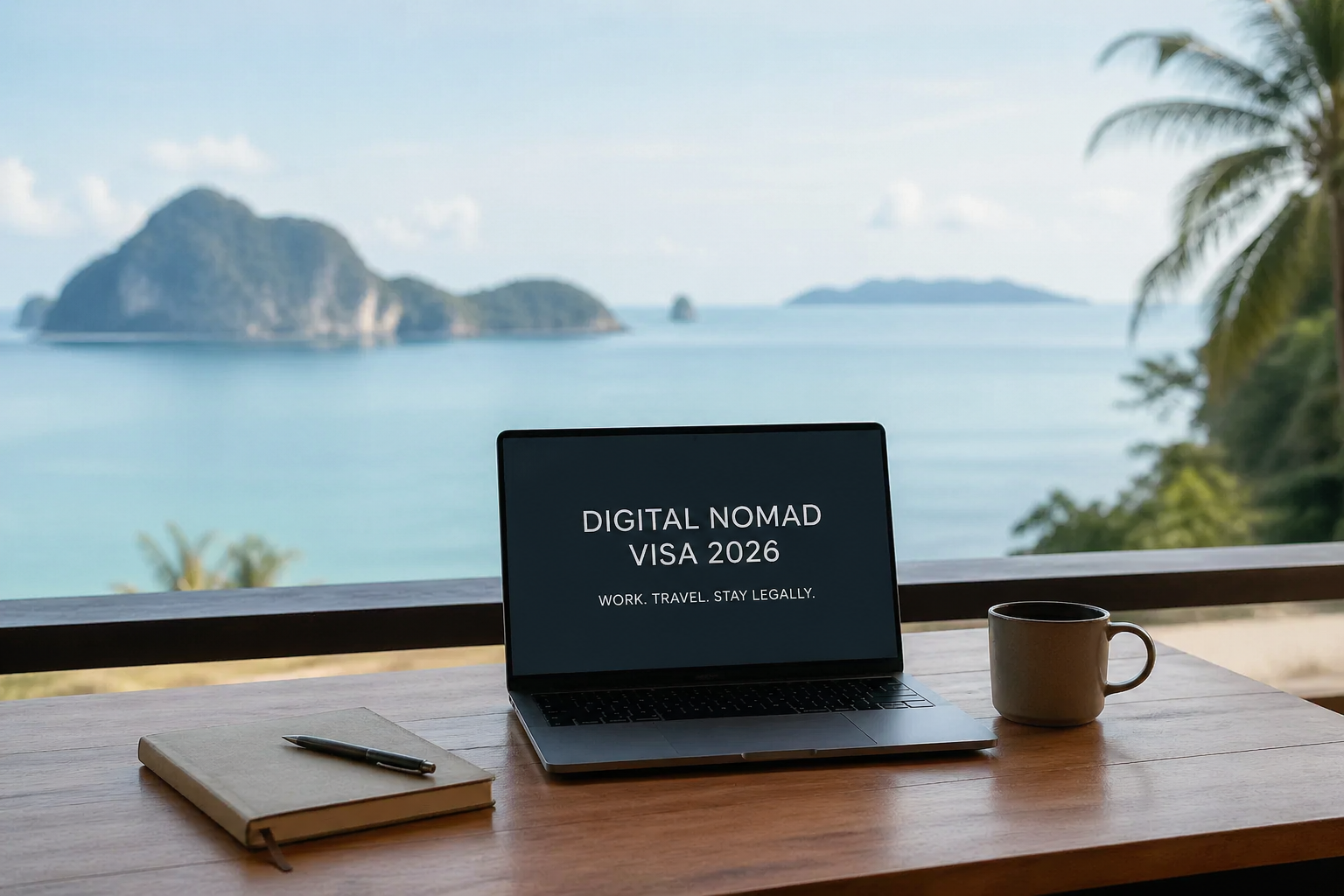
You close your laptop in a Chiang Mai café. Rain drums on the teak roof. Your morning’s work is done and your afternoon is wide open. This is the dream that drives thousands of remote workers to search for the right digital nomad visa in Southeast Asia every year. But most people skip one critical question until it’s urgent: are you actually allowed to be there?
By 2026, governments across the region will be actively enforcing remote-work rules. The good news? More legitimate pathways exist now than ever before. This guide walks you through every major option, with current requirements, honest trade-offs, and practical tips to help you choose.
Why the Digital Nomad Visa Southeast Asia Landscape Changed
For years, remote workers lived in a legal grey zone. Most earned foreign income on tourist visas that technically forbade it. Governments tolerated the arrangement. Then Thailand launched its Destination Thailand Visa in mid-2024 and the whole region shifted.
According to research from The Diplomat, there are now more than 40 million digital nomads worldwide, contributing an estimated $787 billion annually to the global economy. Southeast Asia hosts the largest concentration of this mobile workforce. Once Thailand moved, neighbours came under pressure to respond or risk losing their share of that economy.
The result is what analysts now call ASEAN’s quiet competition for nomads, each country crafting a distinct visa program at very different price points. Here’s where things stand in 2026.
Country by Country: Your Digital Nomad Visa Southeast Asia Options
🇹🇭 Thailand: Destination Thailand Visa (DTV)
Thailand launched the DTV in July 2024and it remains one of the most flexible long-term options in the region.
- Stay: 180 days per entry, valid for 5 years (multiple entry)
- Income/savings proof: ~500,000 Thai Baht (~USD 17,000) in a bank account for at least 3 months
- Who it suits: Nomads wanting a long-term Asian base with real community Chiang Mai, Bangkok, and Koh Phangan all have thriving ecosystems
One important caveat: Thailand’s 2024 remittance rule change means income sent to Thailand in the same year it’s earned may be subject to Thai tax. A grace period for 2025–2026 is reportedly under consideration, but confirm the current situation with a local tax adviser before you move funds.
Note for 2026: Thailand has also reduced standard visa free tourist stays from 60 to 30 days for 93 countries. If you’re planning to test the waters before applying for the DTV, factor that in.
🇮🇩 Indonesia: E33G Remote Worker Visa (Bali)
Indonesia’s official digital nomad path is designed for high earners. The E33G, effective April 2024, is a deliberate filter.
- Stay: Up to 1 year
- Income requirement: Minimum USD 60,000 annually from foreign sources, plus USD 2,000 in savings held for three months
- Dependents: Spouses and children can now be sponsored (updated December 2025)
- Who it suits: Senior professionals and tech leads who want a legal, long term Bali base
For those who don’t meet the income threshold, the B211A visit visa remains a popular alternative granting 60 days, renewable twice for a total of 180 days. It sits in a legal grey area regarding remote work, but thousands of nomads use it successfully. There’s also the Second Home Visa, valid for 5–10 years, though it requires USD 130,000 in a sponsored bank account.
🇲🇾 Malaysia: DE Rantau Nomad Pass
Malaysia’s DE Rantau pass is widely considered the gold standard for accessible, legitimate digital nomad status in Southeast Asia.
- Stay: 12 months, renewable twice (maximum 3 years)
- Income requirement: USD 24,000/year for digital domain workers; USD 60,000/year for chief officers and managers
- Cost: ~USD 215/year, plus ~USD 130 per dependent
- Tax note: Residency triggers at 182+ days; remote work income is clarified as foreign sourced (not locally taxable)
- Who it suits: Budget conscious nomads who want real legal certainty and a proper community
The main drawback is processing time. Applications can take four to six months. If you need to move quickly, Malaysia is not the right choice. But for those who plan ahead, Kuala Lumpur and Penang deliver world class infrastructure at a fraction of European costs.
🇻🇳 Vietnam: Evolving Options
Vietnam is still catching up, but it’s moving fast. As of early 2026, there is no standalone digital nomad visa. However, several options exist for longer stays.
- E visa: Up to 90 days, multiple entry, available to most nationalities
- Business visa: Used by many nomads for longer arrangements technically requires business activity, so check with a local lawyer
- Talent Visa: Launched August 15, 2025, this offers a 5-year multiple entry visa for highly skilled professionals in academia, science, business, and culture focused on demonstrated expertise rather than income thresholds
- Golden Visa: A 10-year investor visa is expected to launch in 2026
A dedicated digital nomad visa proposal was submitted to the government in April 2025. Details are still being confirmed. Watch this space, Vietnam’s low cost of living and vibrant cities make it one to track.
🇵🇭 Philippines: New Digital Nomad Visa (2025)
The Philippines made a significant move in 2025. The government approved a dedicated digital nomad visa in May 2025, with applications opening within 60 days of approval.
- Stay: Up to 1 year, renewable once
- Income requirement: Approximately USD 2,000/month one of the lowest thresholds in any nomad visa program globally
- Who it suits: Budget nomads, those who want an English-speaking environment, and island hoppers
Cebu IT Park and Metro Manila’s BGC area offer the most reliable connectivity for video calls. Beach towns, while beautiful, often deliver slower speeds.
🇸🇬 Singapore: EntrePass (For Entrepreneurs)
Singapore is the most expensive option but the infrastructure is unmatched.
- Stay: 1–2 years, renewable
- Requirement: Startup registration in Singapore; focused on entrepreneurial credentials rather than income alone
- Who it suits: Founders, startup operators, and those who need to be in the region’s premier business hub
Singapore also offers meaningful tax exemptions for non-residents working short term stays of 60 days or fewer. Worth knowing if you’re passing through regularly.
🇰🇭 Cambodia: Ordinary Visa (E Class)
Cambodia remains the easiest entry point for budget conscious nomads.
- Stay: 30 days, extendable up to 12 months via a business or employment visa extension
- Paperwork: Minimal
- Who it suits: Those testing the nomad lifestyle before committing to a more formal visa
Phnom Penh and Siem Reap both offer affordable co working spaces and a growing expat community. The legal basis for remote work is less formalized than Thailand or Malaysia, so proceed with awareness.
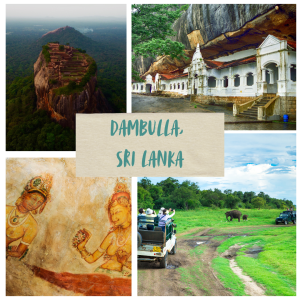
🇱🇰 Sri Lanka: Digital Nomad Visa (Incoming)
Sri Lanka’s digital nomad visa has been in development since 2021. The Cabinet approved the proposal in 2023. When fully launched, the plan is:
- Stay: 1 year, extendable
- Income requirement: Minimum USD 2,000/month
- Cost: USD 500 for the applicant, their spouse, and dependents
- Who it suits: Those wanting a mix of coastal beauty, cultural richness, and affordability
Colombo, Galle, and Kandy all have growing co working infrastructure. Check the official Sri Lanka Immigration website for the latest on launch status before making plans.
Sri Lanka’s visa is approved but confirm current launch status before applying.
🇱🇦 Laos: Tourist Visa with Extensions
Laos suits nomads seeking a slower pace rather than a formal visa program.
- Stay: 30-day tourist visa, extendable up to 90 days
- Vibe: Quiet, affordable, off the beaten path, Luang Prabang is the main draw
Long term stays require creative planning. Laos is better suited as part of a wider Southeast Asia rotation than as a permanent base.
The Legal Reality: Why Visa Runs Are Risky in 2026
Some nomads still rely on border runs or back-to-back tourist visas. It’s understandable, the application process for formal visas can feel complex. But the risk calculation has shifted.
By 2026, several Southeast Asian governments are actively tightening enforcement. Overstaying, serial tourist entries without clear purpose, or being caught working on a tourist visa can result in fines, deportation, and future travel bans. A single bad stamp can complicate your travel for years.
Moreover, working without a legitimate visa makes it harder to open local bank accounts, sign leases, access healthcare, and protect yourself legally if a dispute arises. The cost of formalising your status, whether financially or in time, is almost always lower than the cost of the alternative.
Practical Tips for a Smooth Application
Research the current version of the rules. Visa policies in Southeast Asia change frequently. What was accurate six months ago may not be accurate today. Always verify with the official immigration authority or a licensed local consultant before submitting.
Prepare your financial documentation carefully. Most visas require bank statements showing a minimum balance held for 60–90 days. Don’t wait until the last minute. This is the most common reason applications are delayed.
Consider a local immigration consultant. Particularly for Indonesia and Malaysia, where requirements can be nuanced, a local expert saves significant time and reduces the risk of rejection on a technicality.
Understand your tax position. Most digital nomad visa programs exempt foreign sourced income from local tax. However, the rules vary and the 180-day residency trigger matters in several countries. If you earn significant income, get proper tax advice before you move.
Keep a “border ready” folder. For any consular appointment or border crossing, carry employer or contract proof, recent bank statements, your accommodation booking, and evidence of onward travel. If asked about remote work, keep your answers consistent with the purpose stated on your visa.
Embracing the Nomad Life Responsibly
Legally establishing yourself is only part of the picture. Nomads who stay long term shape the communities they move through for better or worse.
Rising rents in Bali’s most popular neighborhoods are partly tied to the influx of remote workers. Cultural frictions emerge when newcomers arrive without engaging with local customs. These are real issues that several governments are now factoring into their visa policies (Indonesia’s $60,000 income floor, for example, is partly a response to this).
A few simple commitments make a real difference: support local businesses rather than defaulting to international chains, engage with co working communities rather than isolating, and take the time to understand local customs. The places that welcome nomads most warmly are usually the ones where previous nomads showed up with genuine respect.
The Bottom Line
The digital nomad visa Southeast Asia landscape in 2026 is the most mature and legitimate it has ever been. Thailand’s DTV offers unmatched flexibility. Malaysia’s DE Rantau offers accessibility and legal clarity. The Philippines’ new program offers the lowest income threshold in the region. Indonesia filters for high earners who want a genuine long term Bali base.
There is no single right answer, but there is almost certainly a right answer for you. Match the visa to where you actually want to live, what you can document, and how long you plan to stay.
Then book the flight.
Visa regulations change regularly. Always verify current requirements with official government immigration portals or a licensed immigration consultant before applying.



Leave a Reply