Start here
The 3 guides to read first about Sri Lanka, in boarding order.
-
 Boarding 1 of 3Sri Lanka A Digital Nomad’s Dream: Sri Lanka for Remote Work TopicNomad Life Read16 min Checked21 Nov 2026 Gate01
- Boarding 2 of 3Sri Lanka Best Cities for Digital Nomads: Choosing Your Perfect Destination TopicAdventure Read6 min Checked21 Nov 2026 Gate02
-
 Boarding 3 of 3Sri Lanka Ayurveda Sri Lanka: The Ancient Healing Tradition You Need to Know TopicNature Read12 min Checked21 Nov 2026 Gate03
The short answer
The facts that decide most plans, in the same order on every destination.
- Visa
- 30 daysOn an ETA, double entry. Free for 40 countries; others pay USD 50 (USD 20 South Asia)
- Best months
- Jan–Feb south and westMar–Sep east and north
- Monthly cost
- 800–1,100USDApproximate, in Colombo, before food and travel
How long you can stay
Up to 30 daysETA before you fly
- Rule
- ETA before you fly, double entry; a second entry gets only the days left
- Working
- No: the ETA bars any employment, paid or unpaid
- Carry
- Return ticket if you fly in, proof of enough funds, the passport you applied with
- Cost
- Free for 40 countries, otherwise USD 50 (USD 20 South Asia)
31 to 90 daysExtend online after you arrive
- Rule
- Extend online after you arrive, or at the Battaramulla office. Ends when you leave
- Working
- No: the ETA bars any employment, paid or unpaid
- Carry
- Your passport. The official page lists no other documents
- Cost
- USD 60; USD 100 for the UK, most EU countries, the US and some others
91 to 270 daysExtend again the same way
- Rule
- Extend again the same way; 270 days from arrival is the most
- Working
- No: the ETA bars any employment, paid or unpaid
- Carry
- Your passport
- Cost
- USD 150 up to 180 days, USD 200 beyond (US rates differ)
Up to 1 yearDigital Nomad Visa
- Rule
- Digital Nomad Visa, renewable each year
- Working
- Yes, for employers or clients outside Sri Lanka; no local jobs
- Carry
- USD 2,000 a month remitted from abroad, health insurance, police and medical clearance
- Cost
- USD 500 a year per person
Checked 16 Nov 2026. Rules differ by passport; this is information, not legal advice. Official source
On day one
- Mobile data
- 20 GBFor Rs 1,399 (about USD 4) on a Dialog tourist SIM
- Time zone
- UTC+5:30
- Power
- 230 VDGM50 Hz. Carry a power bank
- Internet speed
- 37 MbpsFixed broadband median, 57 Mbps on mobile
Plan a stay
Tap the month you would land, then how long you stay.
- Visa for this trip
- Season
- Cost
Places to base yourself
When to go
Pick the month you plan to travel. We show where in Sri Lanka the weather is best then.
Best time to visit
- South and westJan to Feb
- East and northMar to Sep
- Hill countryFeb to Mar
Month by month
- Best weather
- Okay
- Wet or rough
- More people, busier
South and west
January: Best timeFebruary: Best timeMarch: OkayApril: Avoid: wet or roughMay: Avoid: wet or roughJune: OkayJuly: OkayAugust: OkaySeptember: Avoid: wet or roughOctober: Avoid: wet or roughNovember: Avoid: wet or roughDecember: OkayEast and north
January: OkayFebruary: OkayMarch: Best timeApril: Best timeMay: Best timeJune: Best timeJuly: Best timeAugust: Best timeSeptember: Best timeOctober: Avoid: wet or roughNovember: Avoid: wet or roughDecember: Avoid: wet or roughHill country
January: OkayFebruary: Best timeMarch: Best timeApril: OkayMay: OkayJune: OkayJuly: OkayAugust: OkaySeptember: OkayOctober: Avoid: wet or roughNovember: Avoid: wet or roughDecember: OkayCrowdsBusiest Dec to Mar
January: busyFebruary: busyMarch: busyApril: averageMay: quietJune: quietJuly: averageAugust: averageSeptember: quietOctober: averageNovember: averageDecember: busyCompiled 16 Nov 2026.
January
A good month to go
Best weather in 1 of 3 regions.
- South and west
- Best weather
- East and north
- Okay
- Hill country
- Okay
- Crowds
- Busy
- South and westJan–Feb
February
A good month to go
Best weather in 2 of 3 regions.
- South and west
- Best weather
- East and north
- Okay
- Hill country
- Best weather
- Crowds
- Busy
- South and westJan–Feb
- Hill countryFeb–Mar
March
A good month to go
Best weather in 2 of 3 regions.
- South and west
- Okay
- East and north
- Best weather
- Hill country
- Best weather
- Crowds
- Busy
- East and northMar–Sep
- Hill countryFeb–Mar
April
A good month to go
Best weather in 1 of 3 regions.
- South and west
- Wet or rough
- East and north
- Best weather
- Hill country
- Okay
- Crowds
- Average
- East and northMar–Sep
May
A good month to go
Best weather in 1 of 3 regions.
- South and west
- Wet or rough
- East and north
- Best weather
- Hill country
- Okay
- Crowds
- Quiet
- East and northMar–Sep
June
A good month to go
Best weather in 1 of 3 regions.
- South and west
- Okay
- East and north
- Best weather
- Hill country
- Okay
- Crowds
- Quiet
- East and northMar–Sep
July
A good month to go
Best weather in 1 of 3 regions.
- South and west
- Okay
- East and north
- Best weather
- Hill country
- Okay
- Crowds
- Average
- East and northMar–Sep
August
A good month to go
Best weather in 1 of 3 regions.
- South and west
- Okay
- East and north
- Best weather
- Hill country
- Okay
- Crowds
- Average
- East and northMar–Sep
September
A good month to go
Best weather in 1 of 3 regions.
- South and west
- Wet or rough
- East and north
- Best weather
- Hill country
- Okay
- Crowds
- Quiet
- East and northMar–Sep
October
Wet or rough everywhere
- South and west
- Wet or rough
- East and north
- Wet or rough
- Hill country
- Wet or rough
- Crowds
- Average
Next good month
November
Wet or rough everywhere
- South and west
- Wet or rough
- East and north
- Wet or rough
- Hill country
- Wet or rough
- Crowds
- Average
Next good month
December
Okay, but not the best time
Okay in 2 of 3 regions. Best weather in none.
- South and west
- Okay
- East and north
- Wet or rough
- Hill country
- Okay
- Crowds
- Busy
Next good month
Do the hours work?
Your working day against the local one.
On Sri Lanka time UTC+5:30
LondonUTC+0
3.5 hBerlinUTC+1
4.5 hDubaiUTC+4
7.5 hSingaporeUTC+8
6.5 hSydneyUTC+10
4.5 hNew YorkUTC−5
NoneLos AngelesUTC−8
NoneBoth sides work 9:00 to 18:00 on standard time. Daylight saving shifts a row by an hour.
What a month costs
Pick how you live. These are the lines with public price data, so food and day trips are not included.
$333a month for these lines
- Rent, one bedroom82%$272
- Utilities9%$30
- Home internet4%$12
- Mobile data1%$4
- Transport pass2%$6
- Gym3%$9
$689a month for these lines
- Rent, one bedroom83%$574
- Utilities8%$57
- Home internet3%$21
- Mobile data1%$5
- Transport pass1%$8
- Gym3%$24
$1,347a month for these lines
- Rent, one bedroom82%$1,100
- Utilities8%$105
- Home internet3%$45
- Mobile data1%$7
- Transport pass2%$30
- Gym4%$60
Checked 16 Nov 2026.
Articles about Sri Lanka
- NatureExploring the Best Places to Visit in Trincomalee, Sri Lanka4 min21 Nov 2026Recent check
 NatureSustainable Travel Initiatives: Tourism in Sri Lanka3 min21 Nov 2026Recent check
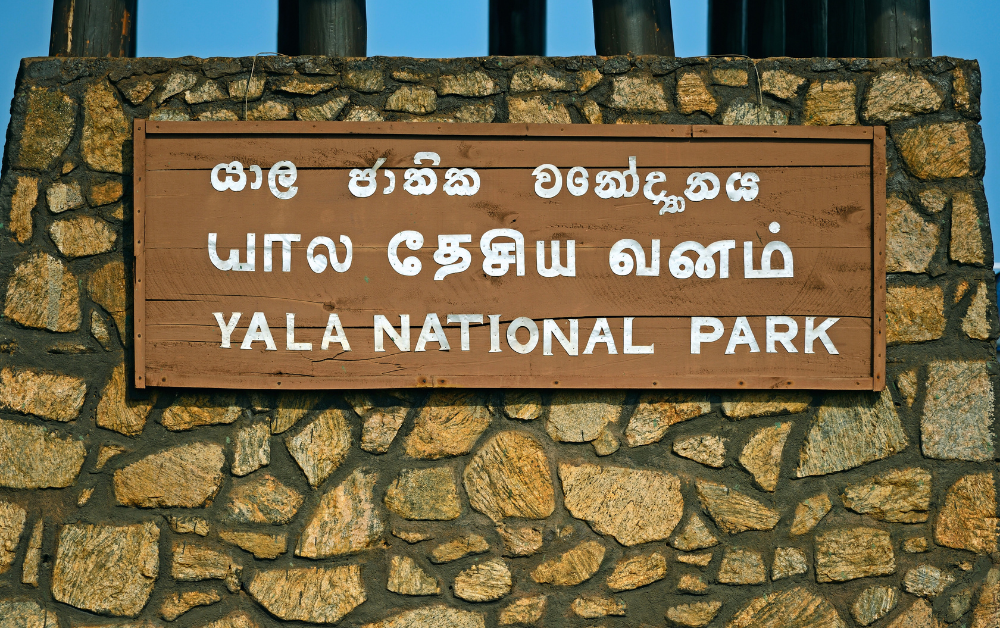
 AdventureDiscovering Yala National Park: A Wild Encounter in Sri Lanka’s Untamed Paradise4 min21 Nov 2026Recent check
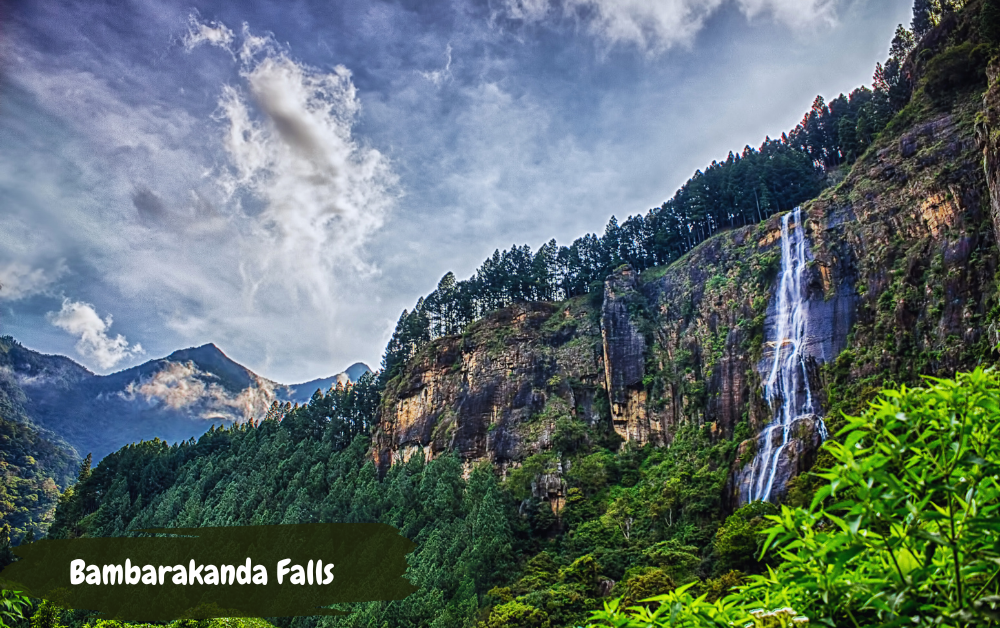
- AdventureThe Ultimate Guide to Sri Lanka’s Most Breathtaking Waterfalls6 min21 Nov 2026Recent check
- AdventureTop Places to Stay Near Yala National Park: A Guide for Wildlife Enthusiasts6 min21 Nov 2026Recent check
- AdventureExplore Sri Lanka in Just 5 Days: Your Ultimate Travel Guide to Sun-Kissed Beaches, Lush Nature and Cultural Adventures7 min21 Nov 2026Recent check
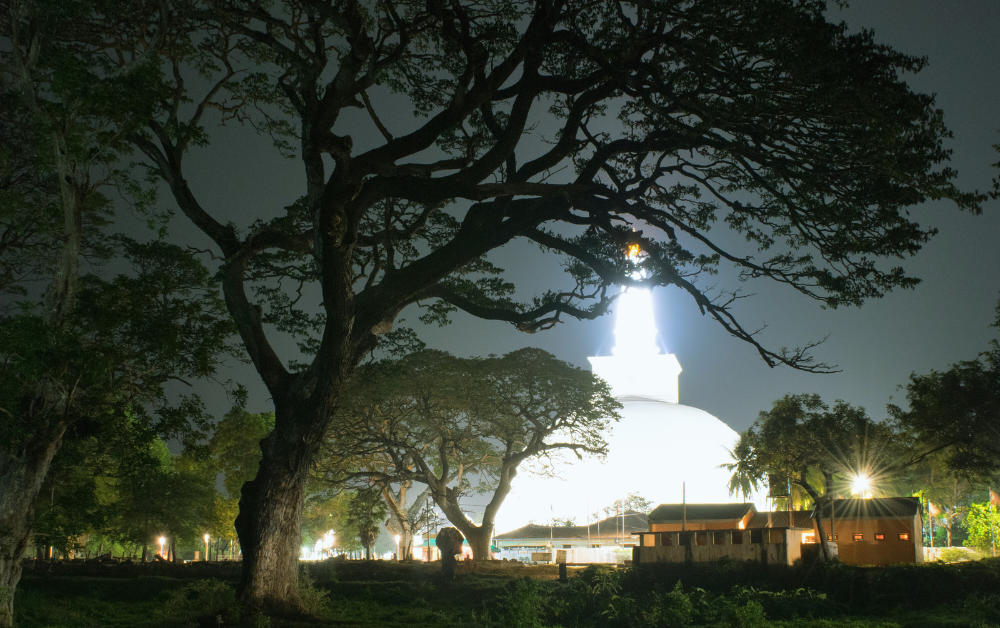
 Digital NomadDiscovering Anuradhapura: A Journey Through Sri Lanka’s Ancient Capital5 min21 Nov 2026Recent check
 AdventureExploring Badulla, Sri Lanka: A Guide to the Best Places to Visit4 min21 Nov 2026Recent check
- AdventureExploring the Charm of Jaffna, Sri Lanka: Your Ultimate Travel Guide6 min21 Nov 2026Recent check
- Digital NomadEmbracing the Seasons: Understanding Weather Patterns in Sri Lanka5 min21 Nov 2026Recent check
 Digital NomadPlaces to Visit in Galle – The Ultimate Sri Lanka Travel Guide9 min21 Nov 2026Recent check
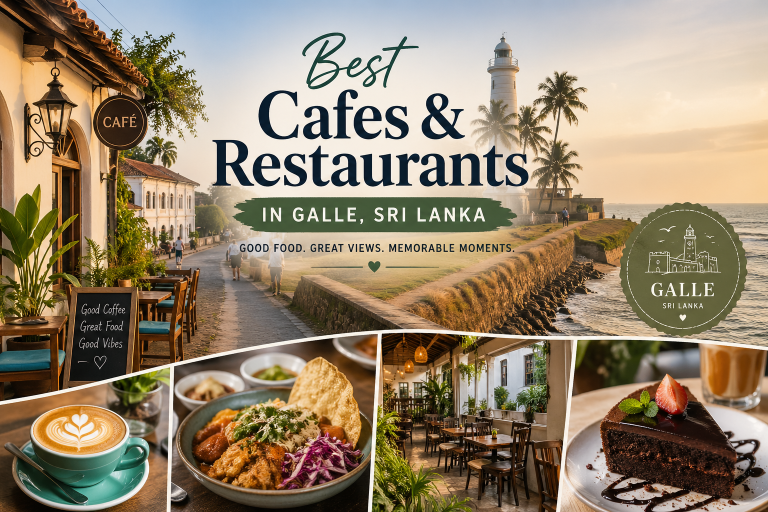 Nomad LifeBest Cafes and Restaurants in Galle, Sri Lanka | 2026 Traveler’s Guide9 min21 Nov 2026Recent check
Who it suits
Where this place suits you, and where it does not.
Packing listSri Lanka
A good fit if
- You earn at least USD 2,000 a month and want a one-year Digital Nomad Visa
- You want cheap rent, with a one-bed outside central Colombo averaging about USD 271 a month
- You work with Europe, as Sri Lanka is only 4.5 to 5.5 hours ahead of London
- You can chase dry coasts: southwest rains run May to September, northeast December to February
- You want accredited private care, as Colombo's Lanka Hospitals renewed JCI accreditation in August 2026
Think twice if
- You need fast home internet, as median fixed broadband was about 37 Mbps in September 2026
- You want the Kandy to Ella train, still not running end to end in October 2026
- You need steady fuel, as QR-code fuel rationing returned on 15 March 2026
- You stay over 183 days, which can make remitted foreign income taxable at up to 15%
- You are LGBTQ+, as same-sex sexual activity is illegal in Sri Lanka
The full guide to Sri Lanka
There is a moment that happens to most people in Sri Lanka. It usually arrives somewhere between a bowl of rice and curry eaten on a plastic stool and the sight of an elephant crossing a red dirt road at dusk. Everything just slows down. The to-do list shrinks. The Wi-Fi password matters slightly less than it did an hour ago.
Sri Lanka is one of those places that gets under your skin without making a big deal of it. It does not have the neon-lit nomad infrastructure of Bali or the decade-long reputation of Chiang Mai. What it has is better: genuine warmth, extraordinary beauty packed into a surprisingly small island, food that belongs in the conversation with the best in Asia, and a cost of living that makes your savings stretch further than you expect. If you have been looking for a base that rewards the curious rather than the crowd-followers, Sri Lanka is worth a serious look.
Why Sri Lanka Works as a Nomad Destination
Sri Lanka sits in the Indian Ocean off the southern tip of India. It is roughly the size of Ireland, which means you can move between radically different landscapes in a matter of hours. Ancient temple cities, misty tea highlands, wildlife-rich national parks, and some of the finest beaches in Asia all share the same small island.
That compactness works in your favour as a remote worker. You can base yourself in a beach town, do a full workweek, and still manage a weekend trip to the hill country or a safari without eating into your productivity. The variety never runs out.
The people are another part of the appeal. Sri Lankans are consistently ranked among the friendliest in Asia toward visitors, and that friendliness does not feel performative. Locals in smaller towns will genuinely go out of their way to help you figure out a bus route or recommend a restaurant that is not on any map.
Climate and Seasons: When to Go and Where
Sri Lanka’s climate is shaped by two monsoons, and understanding them is the most important piece of planning you will do before choosing when and where to base yourself.
The Southwest Monsoon runs from May to September and brings heavy rain to the western and southern coasts, including Colombo, Galle, Mirissa, and Weligama. During these months, the east coast is at its best.
The Northeast Monsoon runs from October to January and affects the north and east. The west and south coasts are sunny and dry during this period.
The Hill Country has its own rhythm. Nuwara Eliya and Ella receive rain from both monsoons to some degree, but April and August are generally the drier windows. It is always noticeably cooler up there regardless of season, with temperatures dropping to 15 degrees Celsius at night.
In practical terms, if you want to be on the south coast (Galle, Mirissa, Hiriketiya, Weligama), plan for November through April as your primary window. If you want Arugam Bay on the east coast, May through October is the season. The shoulder months on either side are often excellent with fewer crowds and lower prices.
The best all-round time to visit Sri Lanka as a first-timer is December to March, when the south and west are reliably sunny and the hill country is accessible. Air fares and accommodation prices peak around Christmas and New Year, so January and February offer the sweet spot of good weather and manageable costs.
Cost of Living: What You Actually Spend
Sri Lanka is not as cheap as it was five years ago, but it remains exceptional value. Here is a realistic picture of what nomads typically spend.
Accommodation
A private room in a guesthouse in a beach town like Weligama or Unawatuna runs $20 to $40 per night. Monthly furnished apartment rentals sit between $300 and $700 depending on location and quality. A nice private apartment in Galle Fort or a well-equipped studio near Colombo 3 pushes closer to $700 to $1,000. Longer stays almost always unlock better rates, so negotiating directly with guesthouses for a monthly deal is worth doing.
Food
Local rice and curry restaurants serve two to three-course meals for 300 to 600 Sri Lankan Rupees, roughly $1 to $2. Street food and bakeries are similarly priced. Western-style cafes and restaurants in tourist areas charge $5 to $15 per meal. Groceries from local markets are very cheap. A week of cooking at home costs a fraction of what it would in Europe or North America.
Transport
Tuk-tuks for short rides cost 100 to 300 Rupees. Buses are extremely affordable at 50 to 150 Rupees for most journeys. Monthly scooter rental runs $60 to $100. Hiring a driver for day trips costs around $40 to $60 depending on distance.
Monthly Budget Summary
| Lifestyle | Estimated Monthly Cost |
|---|---|
| Budget (local food, guesthouse, shared transport) | $700 to $1,000 |
| Comfortable (apartment, mix of local and Western food, scooter) | $1,200 to $1,800 |
| Comfortable-plus (nicer apartment, coworking, dining out more) | $2,000 to $2,500 |
Where to Base Yourself
Colombo
Sri Lanka’s capital is the most practical base for nomads who need reliable infrastructure. The Colombo 3 (Kollupitiya) and Colombo 7 (Cinnamon Gardens) areas offer a good mix of coworking spaces, international restaurants, and neighbourhoods that feel genuinely pleasant to live in. It is not a conventionally beautiful city, but it is efficient, the food scene has exploded in recent years, and access to everything else on the island is easiest from here.
Galle Fort
A UNESCO World Heritage Site on the southwest coast, Galle Fort is one of the most beautiful places to base yourself in Asia. The 17th-century Dutch colonial ramparts enclose a neighbourhood of boutique hotels, excellent restaurants, independent cafes, and a fascinating mix of Sri Lankan and expat residents. Wi-Fi in the cafes inside the fort is generally good. Accommodation inside the walls is pricier, but the surrounding area offers more affordable options. Working from a cafe in Galle Fort on a breezy morning, ocean visible over the ramparts, is a genuinely special experience.
Weligama and Hiriketiya
These two adjacent beach towns on the south coast have become the beating heart of the nomad scene in Sri Lanka. Weligama is larger with more amenities. Hiriketiya, a 20-minute tuk-tuk ride away, is a sheltered horseshoe-shaped bay that has quietly developed one of the most appealing small nomad communities in Asia. A handful of great cafes, a consistent surf break suitable for beginners and intermediates, a laid-back pace, and the kind of community that forms naturally when likeminded people end up in the same beautiful place.
Mirissa
Known primarily for its beaches and whale watching (blue whales pass through from December to April, one of the best land-based whale watching opportunities in the world), Mirissa is a solid beach base. It is busier and slightly more party-oriented than Hiriketiya, but the beach is gorgeous and the infrastructure for long-term stays has improved.
Arugam Bay
On the east coast, Arugam Bay is the destination for surf-focused nomads. The season runs May to October, and during those months it becomes one of the liveliest beach spots on the island. Main Point, Baby Point, and Whiskey Point cater to every level from beginner to experienced. Outside of surf season it is quiet to the point of being almost abandoned, which suits some people perfectly.
Ella and the Hill Country
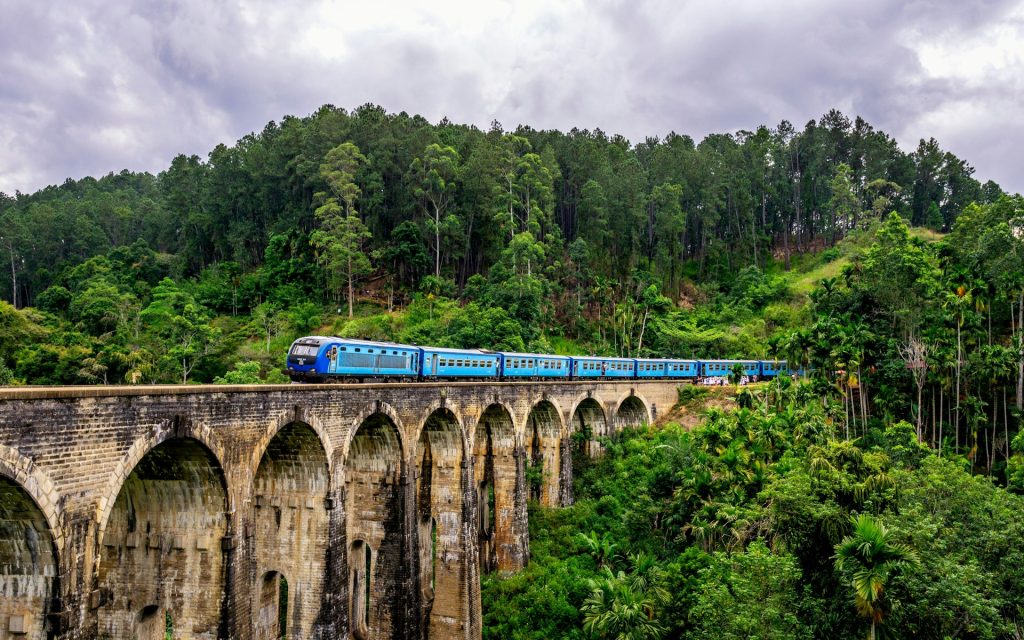
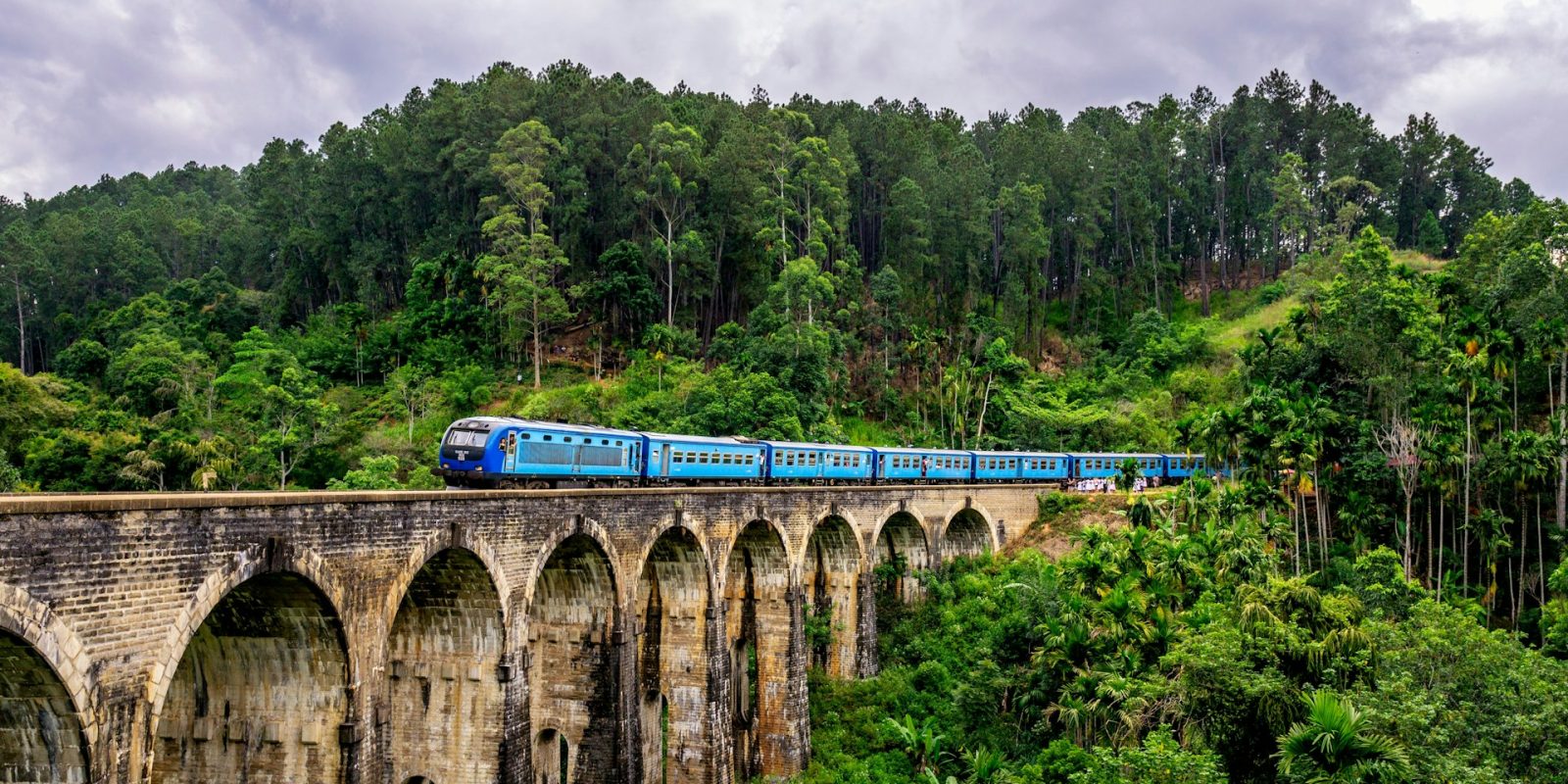
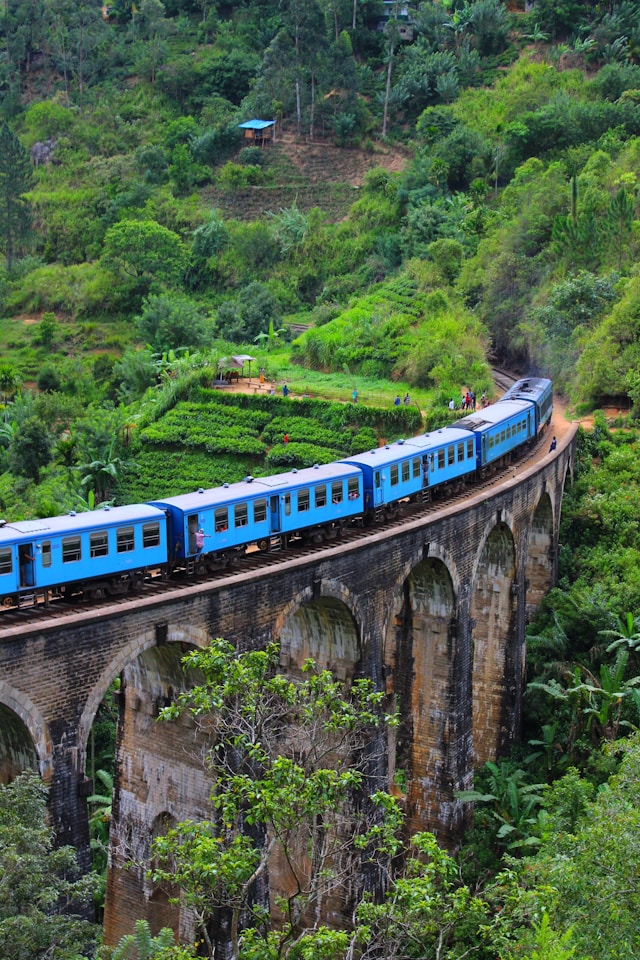
Not typically a digital nomad hub due to connectivity limitations, but worth knowing about for a week or two in between beach stints. The scenery around Ella is extraordinary. Nine Arch Bridge, Little Adam’s Peak, and the tea-covered hills stretching in every direction make it one of the most photogenic places in Asia. The train journey through the hill country from Kandy to Ella is widely considered one of the great railway experiences in the world.
Internet and Connectivity
The connectivity picture in Sri Lanka has improved considerably. Colombo and Galle have reliable fibre in most coworking spaces and mid-range hotels. Beach towns are variable, with some guesthouses offering genuinely fast connections and others running on bandwidth that struggles with video calls.
The most reliable approach is a local SIM. Dialog and Mobitel are the two main networks. Dialog tends to have better coverage in rural and coastal areas. A SIM with 20GB of 4G data costs around 1,500 to 2,000 Rupees (roughly $5 to $7). 4G coverage is solid in all major tourist areas. Remote areas, mountain regions, and parts of the north are patchier.
Coworking spaces have opened in Colombo, Galle, and increasingly in beach towns. Expect $80 to $150 per month for a dedicated desk, or $8 to $15 for a day pass.
Visa: How It Works
Sri Lanka does not currently have a dedicated digital nomad visa, but the ETA (Electronic Travel Authorisation) system works well for extended stays.
Most Western passport holders receive a 30-day ETA on arrival, which can be extended to 90 days at the Department of Immigration in Colombo. The extension process is straightforward. After 90 days, most nomads do a short trip to India or the Maldives and re-enter on a fresh ETA. Always verify current immigration rules before you travel as they can be updated.
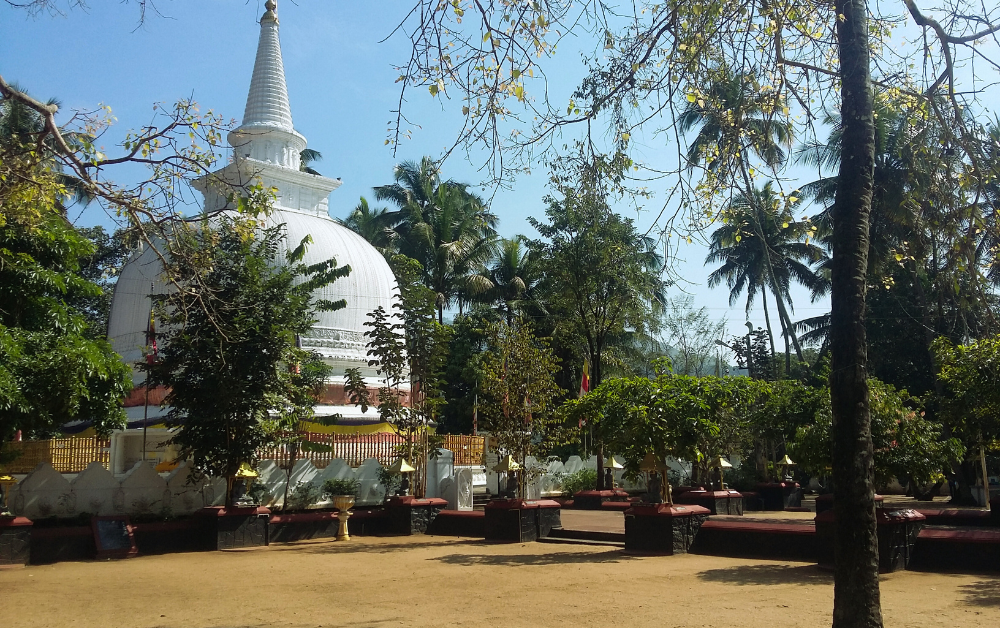
What Makes Sri Lanka Unforgettable
The wildlife. Sri Lanka has some of the highest leopard density in the world, concentrated in Yala National Park on the southeast coast. Elephant sightings in Udawalawe are almost guaranteed. Blue whales off Mirissa, sea turtles nesting on the south coast beaches, and a extraordinary variety of birdlife throughout the island.
The food. Rice and curry is a cuisine, not just a description. Each region has its own variations. Hoppers (fermented rice flour bowls), string hoppers with coconut gravy, kottu roti (a favourite late-night street food), lamprais (a Dutch-Burgher dish of rice and accompaniments baked in a banana leaf), and fresh seafood everywhere on the coast.
The history. The ancient cities of Anuradhapura and Polonnaruwa are genuine wonders of the ancient world. Sigiriya, the 5th-century rock fortress rising from the jungle plain, is among the most dramatic archaeological sites in Asia. The Cultural Triangle in the centre of the island deserves at least a few days.
The pace. Sri Lanka moves at a rhythm that is generally good for the soul. Things take slightly longer than you expect. Plans change. The tuk-tuk driver wants to show you his cousin’s gem shop. The rice and curry is not ready yet, wait ten minutes. Once you stop fighting it, this pace becomes one of the most appealing things about the place.
Practical Essentials
Getting there: Bandaranaike International Airport in Colombo is the main entry point with connections to most Asian hubs and direct flights from parts of Europe and the Middle East.
Getting around: Buses are cheap and go almost everywhere. The train network covers the main routes including the spectacular Colombo to Kandy and Kandy to Ella lines. Tuk-tuks for local trips. Renting a scooter gives you the most freedom on the coast.
Health: Drink bottled or filtered water. Private hospitals in Colombo (Asiri, Lanka, Nawaloka) are good and affordable by Western standards. Travel health insurance with emergency evacuation coverage is strongly recommended.
Money: ATMs are available in all major towns. Cards are not universally accepted outside tourist restaurants and larger shops. Carry cash for local restaurants, markets, and transport.
Best entry points: Fly into Colombo and consider ending on the east coast (or vice versa) to see both coasts on a single trip without doubling back.
Sri Lanka rewards people who show up with curiosity and patience. It is not the easiest destination to navigate at first, but that slight roughness at the edges is part of what keeps it from feeling like a theme park. Come for a month. You will probably stay longer.
Questions about Sri Lanka
Where should I go for a beach?
It depends on the month. From December to March, go to the south and west coasts, such as Mirissa, Hiriketiya and the beaches near Galle; January and February are the best months there. From March to September, the east coast is drier: Arugam Bay for surf, Trincomalee for calmer bays.
Can I work from a beach town?
Some guesthouses have fast Wi-Fi. Others struggle with video calls, so carry a second way online.
When is the best time to visit?
January and February for the south and west coasts, March to September for the east and north.
How long can I stay?
30 days on an ETA, with two entries. You can extend online after you arrive, for a fee, up to 270 days from the day you arrived.
Can I work remotely on a tourist ETA?
No. The ETA terms bar any employment, paid or unpaid. For remote work for clients abroad, Sri Lanka has a Digital Nomad Visa: up to a year, USD 2,000 a month in income from abroad, USD 500 a year.