The dream hasn’t changed. The strategy has.
Working from a beachfront cafe sounds great until your Zoom call drops, your tourist visa expires in 30 days, and the only people you know are other nomads complaining about the same things.
In 2026, the remote workers who are genuinely thriving aren’t the ones hopping countries every two weeks. They’re the ones who found a real base. A place with solid internet, a legal visa, a community that doesn’t feel disposable, and a cost of living that doesn’t quietly drain their savings.
That shift has a name: the Slowmad movement. And it’s completely changing how people research the best digital nomad destinations 2026.
This guide breaks it all down. Visa options, connectivity, cost of living, community, safety, everything that actually matters when you’re choosing somewhere to live and work for three to six months at a stretch.
The Slowmad Shift: Why “Hopping” Is Out
Not long ago, digital nomad culture celebrated the person who visited twelve countries in a year. It looked great on Instagram. It felt exhausting in practice.
The research is catching up with what most long term nomads already knew: constant movement is expensive, disorienting, and genuinely hard on your productivity. Finding a good coworking space, a decent flat, and a trusted grocery store takes time. Moving every two weeks means you’re always starting over.
Slowmads choose differently. Three months minimum in one spot. Often six. Sometimes a full year.
That changes everything about how you pick a destination. You stop asking “is this a nice place to visit?” and start asking “could I actually build a routine here?”
Visa Flexibility: The Non Negotiable Starting Point
Here’s the hard truth. None of the other factors matter if you can’t legally stay.
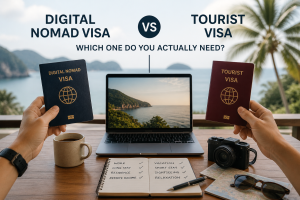
More than 60 countries now offer official Digital Nomad Visas, and the options in 2026 are genuinely better than they’ve ever been. But they vary wildly in requirements, costs, and what they actually let you do.
Sri Lanka’s New Digital Nomad Visa
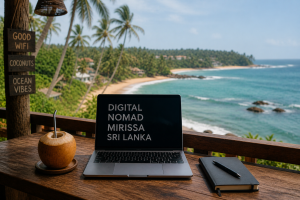
Sri Lanka officially launched its Digital Nomad Visa in February 2026. For a $500 fee, you get a one year stay, renewable with a minimum income requirement of $2,000 per month. It’s one of the most affordable entry points among new DNV programs, and the country’s combination of landscapes, culture, and relatively low cost of living is attracting serious attention.
Spain’s Tax Advantage
Spain consistently ranks at or near the top of best digital nomad destinations 2026 lists, and the Beckham Law is a big reason why. It caps income tax at a flat 24% for qualifying foreign workers, a significant saving for higher earners. Add Barcelona, Seville, and the Canary Islands into the mix, and it’s easy to see the appeal.
Thailand’s Long Game Option
Thailand’s Destination Thailand Visa, known as the DTV, offers five year flexibility for remote workers. Bangkok and Chiang Mai both have mature nomad infrastructure, coworking spaces, reliable internet, affordable accommodation, and communities that have existed long enough to feel genuinely welcoming rather than transactional.
Estonia for the Tech First Crowd
Estonia’s e Residency program and digital nomad visa process are entirely online. No embassy visits, no paper chases. For tech workers who value efficiency and genuinely digital first governance, it’s a compelling option.
Quick Checklist Before Applying for Any DNV:
- Minimum income threshold (usually $1,500 to $3,500/month)
- Health insurance requirements (many visas now require at least €30,000 coverage)
- Tax implications in both your home country and the destination
- Whether you can legally work for foreign clients specifically
Cost of Living vs. Value of Life
“Cheap” is a dangerous word when you’re planning to stay somewhere for six months.
Lisbon was cheap five years ago. So was Mexico City. Both have seen significant price increases driven by remote worker demand, and a flat that cost €600 in 2019 now runs closer to €1,200 in the city center. That’s not unique to Europe, Bali, Chiang Mai, and Medellin have all seen similar pressure.
The smarter question isn’t “what’s the cheapest place?” It’s “where does my money go furthest relative to the quality of life I actually want?”
The 2026 Value Leaders
Bulgaria (Bansko) is having a moment. A one bedroom flat runs around €400 per month, the flat income tax rate sits at 10%, and the Slowmad community that forms during ski season is genuinely tight knit. It’s not tropical, but the tradeoffs work well for a lot of people.
Colombia (Medellin) has a minimum income requirement of just $750 per month for its digital nomad visa. The city itself, specifically the El Poblado and Laureles neighborhoods, has coworking spaces, good food, warm weather, and a social scene that makes it easier than most places to build a real social life from scratch.
Albania is the under the radar pick. Tirana and the Riviera coast are attracting nomads who want southern European living without the southern European price tag. It’s earlier on the infrastructure curve than some alternatives, but the value is hard to argue with.
Internet and Connectivity: Non Negotiable in 2026
AI workflows, 4K video calls, large file transfers. “Decent Wi Fi” stopped being acceptable a few years ago.
The Speed Leaders
Singapore and the UAE both report median speeds above 350 Mbps. Both are expensive, but for nomads who need absolute reliability, developers, video editors, anyone running remote teams, the connectivity alone justifies the cost premium for some.
The Surprise Contenders
Vietnam and Thailand have invested heavily in fiber infrastructure and now offer speeds that rival Western Europe at a fraction of the price. This is one of the reasons Southeast Asia holds its position so strongly in best digital nomad destinations 2026 rankings despite rising costs elsewhere.
The Backup Strategy
Wherever you go, don’t rely solely on your accommodation’s Wi Fi. In places like Sri Lanka, where occasional dry season power outages still happen, a local SIM with 5G capability is essential. It’s cheap, it’s fast, and it has saved more than a few 9am client calls.
Safety and Healthcare: What Long Stay Nomads Actually Think About
Short term travelers worry about pickpockets. Long stay nomads think about healthcare systems.
If you’re spending six months somewhere and you need a hospital, “I’ll figure it out” is not a plan.
The Safest Bets for 2026
Iceland, New Zealand, and Uruguay consistently lead safety indexes. Uruguay, in particular, is worth more attention than it typically gets, it’s the most politically stable country in South America, has genuine rule of law, and the quality of life in Montevideo is high.
Healthcare That Won’t Terrify You
Kuala Lumpur and Bangkok are legitimate medical tourism destinations, private hospitals there are internationally accredited and cost a fraction of equivalent care in the US or UK. For nomads who carry good private health insurance, both cities offer a level of healthcare access that removes a lot of the background anxiety of long term travel.
Most 2026 Digital Nomad Visas now explicitly require health insurance with a minimum of €30,000 in coverage. Build that into your budget from day one.
Community: The Factor That Determines Whether You Stay or Leave
You can have perfect internet and a beautiful flat and still find yourself booking a flight home after six weeks because you don’t know anyone.
Loneliness is the real challenge of nomad life. Not the visas. Not the time zones. The quiet Sunday evenings when there’s nobody to call.
The best digital nomad destinations 2026 aren’t just logistically sound. They have what some people call “sticky communities”, established networks of remote workers who’ve been there long enough to have built real friendships, regular meetups, and the kind of informal welcome that makes a new arrival feel like a person rather than a tourist.
The Established Hubs
Mexico City (Roma and Condesa neighborhoods) remains one of the most socially vibrant nomad communities on the planet. The food, the culture, and the sheer density of interesting people make it genuinely hard to leave.
Medellin has matured significantly. The El Poblado scene is well documented, but Laureles has emerged as a calmer, more locally integrated alternative for people who want community without the party hostel atmosphere.
Lisbon is expensive now, but the community infrastructure, coworking spaces, weekly events, well established expat networks, is hard to replicate elsewhere in Europe.
The Niche Picks
- Tallinn if you’re in tech and want to be around founders and builders
- Ubud (Bali) if wellness, deep work, and creative community matter more than nightlife
- Chiang Mai if you want the longest established nomad community in Southeast Asia
Practical step: Before you book flights, join the local Slack or Discord channels for your destination. Nomad List, local Facebook groups, and city specific Reddit communities will tell you more about the actual current vibe than any blog post, including this one.
FAQ: Best Digital Nomad Destinations 2026
Which country has the easiest digital nomad visa in 2026? Colombia and Sri Lanka both have relatively low income thresholds. Estonia’s application process is the most streamlined, fully online with no embassy visit required.
Is Bali still worth it for digital nomads? Yes, but with caveats. Ubud remains excellent for community and lifestyle. The “tourist tax” and traffic in Seminyak and Canggu have worsened. Go in with realistic expectations and a solid budget.
Do I pay taxes in two countries as a digital nomad? It depends on your home country’s tax rules and how long you stay in your destination. Spain’s Beckham Law and Portugal’s NHR regime both offer specific advantages. Talk to an international tax advisor before you commit to a long stay anywhere.
What’s the minimum income most digital nomad visas require? Anywhere from $750 per month (Colombia) to $3,500+ per month (some European countries). Most cluster around $2,000 to $2,500.
Is the Slowmad approach actually better for productivity? Most people who’ve tried both say yes. Having a regular routine, a local gym, a coworking space you actually like, and real friendships makes you more focused and less burned out than constant movement.
Where to Actually Go
The world hasn’t run out of great places to live and work remotely. If anything, the options in 2026 are better and more legally sound than they’ve ever been.
What’s changed is the approach. The best digital nomad destinations 2026 reward people who treat relocation like a decision, not just a vibe. Do the visa homework. Run the real numbers on cost of living. Join the community channels before you land.
Pick somewhere you can imagine running a productive Monday morning, not just a perfect Saturday afternoon. That’s the destination worth choosing.



Leave a Reply