In recent years, the concept of the “digital nomad” has surged in popularity, driven by the rapid rise of remote work and the increasing desire for work-life balance. Digital nomads blend work and travel, experiencing the freedom of working from anywhere while exploring new destinations. This blog will explore the digital nomad lifestyle in-depth, from its historical roots to the challenges and future trends shaping this modern way of life.
Introduction to Digital Nomad
Definition of Digital Nomads
The term “digital nomad” refers to individuals who use technology to perform their jobs remotely, allowing them to travel while earning a living. This lifestyle emphasizes flexibility, independence, and the ability to work from almost any location with a stable internet connection. Digital nomads typically work in industries such as IT, writing, consulting, marketing, and design, where tasks can be performed online.
Key characteristics of digital nomads include:
- Mobility: Constantly travelling or changing locations.
- Remote work: Jobs that can be completed using a laptop and an internet connection.
- Flexibility: The freedom to choose when and where to work.
The rise of remote work, especially after the global shift caused by the COVID-19 pandemic, has had a profound impact on travel. More people now have the ability to work remotely, fueling the growth of digital nomadism as a viable lifestyle.
Historical Context
While the concept of working remotely has existed for decades, the digital nomad movement truly began in the late 20th century, as technology made it easier for individuals to stay connected while travelling. Early remote workers were primarily freelancers and consultants, but as technology improved, more professionals began embracing this mobile lifestyle.
Key milestones include the rise of coworking spaces, advancements in mobile internet technology, and the growing acceptance of remote work across various industries. Today, digital nomads are an integral part of the global workforce, contributing to economies and reshaping traditional work environments.
Importance of Understanding Digital Nomadism
Digital nomadism is not just a trend; it’s transforming the way we work and live. Understanding this lifestyle helps highlight:
- The impact on traditional work structures and office environments.
- How digital nomads contribute to local economies through tourism and short-term stays.
- Social and cultural implications, such as fostering greater cross-cultural understanding and collaboration.
Profiles of Digital Nomads
Types of Digital Nomads
Not all digital nomads are the same. They generally fall into three main categories:
- Freelancers and consultants: Professionals who offer services like writing, design, and marketing on a project basis.
- Remote employees: Full-time workers who have flexible work arrangements allowing them to live anywhere.
- Entrepreneurs and business owners: Individuals who manage their own online businesses, such as e-commerce stores or digital agencies.
Common Professions and Skills
Many digital nomads work in fields that are naturally suited to remote work, including:
- Tech careers: Developers, designers, and IT consultants.
- Creative professions: Writers, graphic designers, photographers.
- Professional services: Marketers, consultants, coaches.
Demographics of Digital Nomads
While digital nomads span various age groups, trends show that many are in their late 20s to 40s, with both men and women actively participating. This lifestyle attracts individuals from all over the world, although hotspots like North America, Europe, and Australia produce the majority of digital nomads.
Popular Destinations for Digital Nomads
Benefits of Choosing the Right Location
Selecting the right location has a significant impact on productivity and work-life balance. Key factors to consider include:
- Cost of living
- Access to coworking spaces
- Strong community networks of fellow nomads
- Reliable internet connectivity
Top Cities for Digital Nomads
Popular destinations include:
- Bali, Indonesia: Known for its scenic beauty, affordable living, and strong digital nomad community.
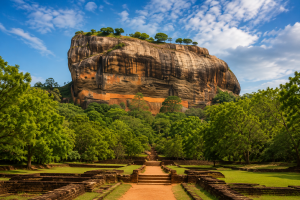
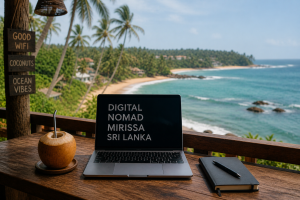
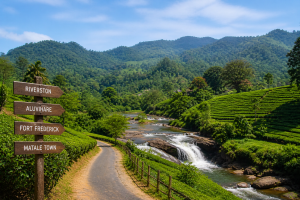
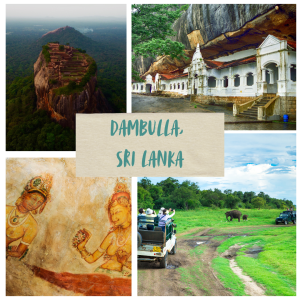
- Kandy, Sri Lanka: An enchanting city that blends affordability with breathtaking scenery and a deep cultural heritage.
- Chiang Mai, Thailand: A digital nomad hub offering low costs and numerous coworking spaces.
- Lisbon, Portugal: A European favourite with great infrastructure, coworking spaces, and cultural experiences.
Lesser-Known Destinations Worth Exploring
Beyond the usual spots, emerging destinations like Medellín, Colombia, and Tbilisi, Georgia offer digital nomads unique cultural experiences, lower costs, and inspiring work environments.
Benefits of the Digital Nomad Lifestyle
Flexibility and Freedom
Digital nomads enjoy unparalleled flexibility in choosing when, where, and how they work. This freedom allows them to:
- Explore new places at their own pace.
- Set their own schedules.
- Pursue personal development through travel.
Cultural Experiences
By living and working in different countries, digital nomads have the chance to:
- Immerse themselves in new cultures.
- Build diverse professional networks.
- Learn from different perspectives.
Cost of Living Considerations
Many digital nomads choose to live in countries with lower costs of living, allowing them to maximize their income. Cities in Southeast Asia, Eastern Europe, and Latin America are popular due to their affordability.
Challenges Faced by Digital Nomads
Work-Life Balance
Balancing work and travel can be tricky. Digital nomads often struggle with:
- Staying productive in new environments.
- Risking burnout from constant travel.
- Managing work schedules across different time zones.
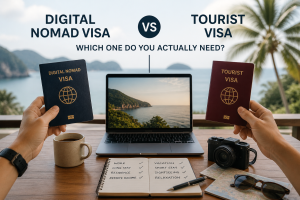
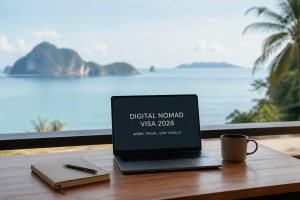
Legal and Visa Issues
Visa regulations can vary greatly from country to country. Digital nomads need to:
- Understand work permits and visa requirements.
- Be mindful of taxation laws in their home countries and countries they stay in.
Remote Work Infrastructure
Reliable internet access is essential for digital nomads. It’s important to:
- Find locations with strong internet connections.
- Seek out coworking spaces with amenities suited for remote work.
The Future of Digital Nomadism
Trends and Predictions
As remote work becomes more mainstream, the number of digital nomads is expected to rise. We can expect:
- Greater demand for nomad-friendly infrastructure.
- Expansion of digital nomad communities.
Impact of Technology
Advances in technology, particularly in communication and remote work tools, are making the digital nomad lifestyle more accessible. Social media and platforms like Slack, Zoom, and Asana play a crucial role in connecting and managing work remotely.
Evolving Work Landscapes
Corporate policies are shifting to accommodate remote work, with some companies adopting hybrid models that allow employees to work from home or abroad.
Conclusion
The digital nomad lifestyle represents the future of work, offering unparalleled flexibility and the chance to explore the world. While there are challenges, the benefits of this lifestyle—from personal growth to cultural immersion—make it an exciting option for many professionals. By understanding the nuances of digital nomadism, both individuals and companies can embrace this modern way of working and travelling.

Leave a Reply