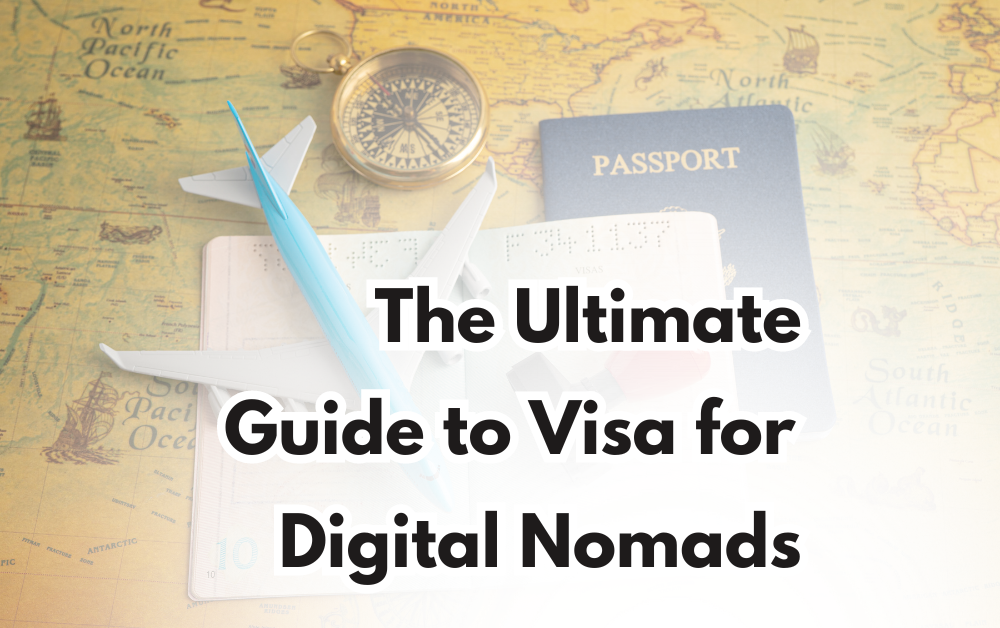
The rise of remote work has opened up new opportunities for digital nomads, but navigating the Digital Nomad Visa process is crucial for sustainable travel and work abroad. This guide covers key visa requirements, popular destinations, and strategies for thriving as a remote worker around the world.
Understanding Digital Nomadism
Definition and Concept of Digital Nomadism
Digital nomadism refers to a lifestyle where individuals leverage technology to work remotely while travelling and living in different countries. Digital nomads typically rely on stable internet connections to maintain their professional work while experiencing diverse cultures.
Common Goals and Motivations of Digital Nomads
Many digital nomads are driven by a desire for flexibility, adventure, and work life balance. They often seek out destinations that offer an affordable cost of living, vibrant communities, and the opportunity to explore new environments while working remotely.
The Evolving Landscape of Remote Work
As remote work continues to expand globally, many countries have recognized the economic potential of attracting digital nomads. This has led to the creation of specialized visa programs tailored to accommodate remote workers, making it easier for digital nomads to legally live and work in foreign countries.
Types of Visas Available for Digital Nomads
Tourist Visas: Short-Term Solutions
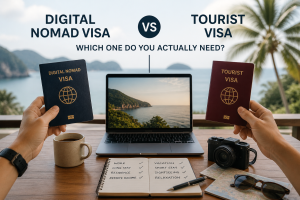
For many digital nomads, tourist visas are the first step toward living abroad. These visas typically allow for stays ranging from 30 to 90 days, depending on the country. While they offer flexibility for short-term travel, they are not designed for long-term work, and digital nomads should be aware of potential legal limitations when using tourist visas to work remotely.
Digital Nomad Visas: Tailored for Remote Workers
Several countries have introduced digital nomad visas, specifically designed for individuals who work remotely for companies or clients based outside of the host country. These visas typically allow for longer stays, ranging from six months to two years, and often come with specific requirements, such as proof of income, health insurance, and the ability to work independently.
Other Visa Options: Work Visas and Residence Permits
In addition to tourist and digital nomad visas, some digital nomads may qualify for traditional work visas or residence permits, depending on their profession and country of origin. These options often require sponsorship from a local employer or meeting certain income or investment criteria.
Popular Destinations for Digital Nomads
Europe: Ideal Locations and Visa Requirements
Europe offers a variety of digital nomad-friendly countries with attractive visa options. Countries like Portugal, Estonia, and Croatia have introduced digital nomad visas that allow remote workers to live and work in the EU for extended periods. Europe is appealing for its rich cultural experiences, reliable infrastructure, and easy access to neighboring countries.
Asia: Emerging Countries for Remote Work Opportunities
Asia is quickly becoming a digital nomad hotspot, thanks to affordable living, vibrant expat communities, and growing remote work infrastructure. Thailand, Indonesia (Bali), and Vietnam are among the top choices for digital nomads, each offering a mix of natural beauty, coworking spaces, and visa options that accommodate long-term stays.
The Americas: Visa Options and Work-Life Balance
In North and South America, countries like Mexico, Costa Rica, and Colombia have emerged as digital nomad havens. Mexico’s Temporary Resident Visa and Costa Rica’s Rentista Visa are popular options, offering the chance to stay for extended periods. With a mix of tropical beaches, bustling cities, and cultural diversity, the Americas offer a wide range of choices for remote workers.
Application Processes for Digital Nomad Visas
Preparing Required Documentation
Before applying for a digital nomad visa, you’ll need to gather the necessary documents, which may include:
- Proof of remote employment or freelance work
- Evidence of sufficient income
- Health insurance coverage
- Valid passport and identification Research the specific requirements of each country to ensure you have all the necessary documentation in place.
Navigating the Application Process: Step-by-Step
The application process for digital nomad visas varies by country but generally follows these steps:
- Research visa requirements and eligibility.
- Gather the required documentation.
- Submit your application online or at the nearest consulate.
- Attend an interview if required.
- Wait for approval and plan your move.
Common Challenges and How to Overcome Them
Some common challenges include delays in visa processing, difficulty meeting income requirements, and navigating complex bureaucratic processes. To overcome these obstacles, be prepared to apply early, double-check all documentation, and consult with immigration experts or expat communities for advice.
Best Practices for Living and Working Abroad as a Digital Nomad
Understanding Local Laws and Regulations
Each country has unique laws regarding remote work, taxation, and business operations. Make sure to research the local regulations that apply to digital nomads to avoid legal complications while abroad.
Building a Support Network: Online and Offline Communities
Staying connected with other digital nomads can help ease the transition into new environments. Join online communities, attend local meetups, and explore coworking spaces to build a support network that can offer insights, advice, and companionship.
Managing Finances: Banking and Taxes in Different Countries
Financial management is crucial when living as a digital nomad. Open a remote-friendly bank account, research tax obligations in your home country and host country, and consider consulting with a financial advisor to stay compliant with international tax laws.
Conclusion
Navigating visas for digital nomads may seem daunting, but with the right preparation and research, it’s entirely possible to live and work abroad seamlessly. Whether you’re looking to stay short-term or establish a long-term remote working lifestyle, understanding visa options and planning ahead is key to making your digital nomad dream a reality.




Leave a Reply