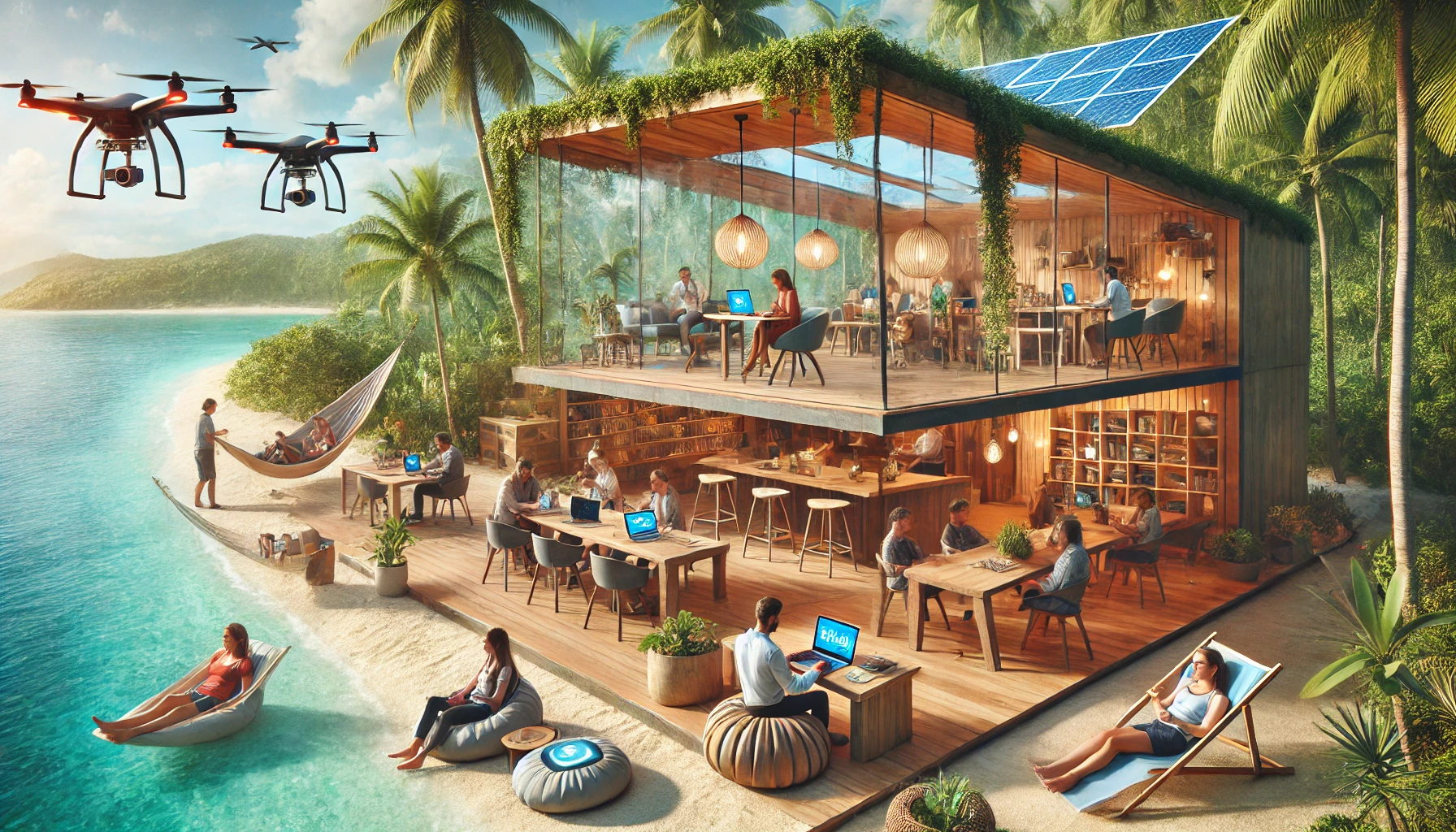
Remote work is more than just a trend; it’s evolving into a lifestyle choice for millions. As the digital nomad lifestyle continues to gain momentum, significant changes are driving the future of remote work trends. In this article, we’ll explore the key trends that will shape the digital nomad experience in 2025 and beyond, offering a glimpse into what lies ahead for remote workers.
The Growth of Digital Nomadism
The digital nomad community is experiencing exponential growth. Currently, millions of individuals around the globe are embracing this flexible lifestyle, which allows them to work from virtually anywhere. The typical digital nomad is aged between 25 and 40, often holds a college degree, and earns a higher-than-average income. They seek freedom, adventure, and job satisfaction key factors influencing their decision to pursue a location-independent lifestyle. Surveys show that digital nomads report higher levels of job satisfaction compared to traditional office workers, primarily because of the freedom to choose their work environment.
Emerging Trends in Remote Work
As companies continue to adapt to the Future of Remote Work Trends, hybrid work models are gaining popularity by combining remote work with in-office days. This approach not only accommodates those who value face-to-face collaboration but also caters to individuals who prefer the flexibility of working remotely. Furthermore, technology plays a crucial role in this evolution, with advanced collaboration tools enabling seamless communication and boosting productivity across dispersed teams.
Popular Destinations for Digital Nomads
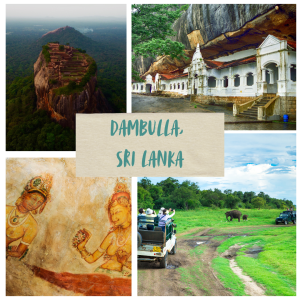
In 2025, top remote work destinations will include Portugal, Mexico, Sri Lanka and Thailand. These countries attract digital nomads with a blend of affordable living, strong internet connectivity, and appealing climates. Lisbon, Playa del Carmen, and Chiang Mai are set to remain hotspots due to their coworking spaces, community events, and digital nomad-friendly amenities such as affordable healthcare and diverse housing options.
Evolution of Remote Work Models
Hybrid work models are not just a passing trend and they’re reshaping how companies operate. By offering flexible schedules and combining remote work with office time, businesses cater to a broader range of employees’ preferences. As the use of collaboration tools grows, platforms like Slack, Zoom, and Microsoft Teams will continue to evolve, enabling even more efficient ways for teams to stay connected.
Digital Nomad Visas and Policies
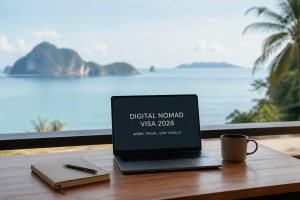
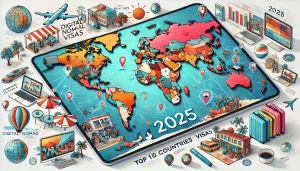
Countries like Spain and Barbados are among the pioneers offering digital nomad visas, enabling remote workers to legally reside for extended periods. These policies cater to the growing demand for more flexible residency options, allowing digital nomads to experience different cultures while maintaining a stable working lifestyle. As more nations recognize the economic benefits of attracting remote workers, the availability of digital nomad visas is expected to expand further.
Coworking Spaces Design and Functionality
Coworking spaces are transforming to meet the evolving needs of digital nomads, emphasizing sustainability and community-centric design. Expect more eco-friendly materials, energy-efficient buildings, and flexible workstations. Additionally, features like flexible memberships, wellness-focused amenities, and communal areas will play a crucial role in fostering a sense of belonging for remote workers who crave social interaction.
How to Build a Sustainable Routine as a Digital Nomad
Living life on the road has its perks, but it also comes with unique challenges. To maintain balance, digital nomads should establish a sustainable routine that prioritizes work, travel, and self-care. This involves setting boundaries for work hours, taking breaks to explore new surroundings, and practicing mindfulness or fitness routines to stay grounded. By managing workload alongside travel plans, remote workers can enjoy the best of both worlds.
Challenges Faced by Digital Nomads
Healthcare access remains a pressing concern for digital nomads. As they move from one country to another, they may encounter difficulties finding affordable health services or securing international health insurance. To address this, digital nomads should research available insurance options that cover multiple destinations and look into telehealth services that provide virtual consultations from anywhere.
Financial Management Issues
Digital nomads often face banking challenges, especially regarding currency exchange and managing international accounts. Finding reliable banking solutions for remote workers abroad is essential for handling finances effectively. Digital banks like Wise, Revolut, and N26 cater to the needs of digital nomads, providing easy access to multi-currency accounts and lower exchange fees.
The Rise of Bleisure Travel Trend Among Remote Workers
The concept of “bleisure” a blend of business and leisure travel has become a growing trend among remote workers. In 2025, we can expect even more digital nomads to incorporate leisure activities into their work trips, taking advantage of flexible schedules to explore new destinations. This trend underscores the blurring lines between work and personal life, allowing remote workers to make the most of their experiences abroad.
Infrastructure Development Needs for Future Digital Nomads
As the digital nomad community continues to grow, the demand for better infrastructure is increasing as well. In the future, we’ll not only see a need for improved housing options tailored to remote workers, such as co-living spaces and short-term rentals but also for enhanced services. Additionally, reliable internet connectivity, affordable coworking spaces, and access to public transportation will all be essential in order to accommodate the unique needs of digital nomads. Moreover, these improvements will help create a more seamless and supportive environment for those embracing this lifestyle.
Conclusion
The future of remote work trends and the digital nomad lifestyle is bright and filled with opportunities for those who value flexibility, freedom, and adventure. As we move into 2025 and beyond, emerging trends such as hybrid work models, digital nomad visas, and evolving coworking spaces will continue to shape the way remote work is experienced. By staying informed and adapting to these changes, digital nomads can thrive in this ever-evolving landscape.






Leave a Reply