Sri Lanka is more than beaches and temples. It’s a tropical fruit paradise bursting with rare, flavorful, and nutrient-packed fruits you won’t easily find anywhere else.
Thanks to the island’s year-round warm climate and fertile soil, fruits of Sri Lanka grow in remarkable diversity, ranging from native and seasonal varieties to rare tropical treasures that attract both locals and travelers. From the naturally hydrating king coconut to lesser-known gems like gaduguda and naminām, the fruits of Sri Lanka offer a distinctive taste experience while providing impressive nutritional and health benefits.
If you’re exploring Sri Lanka or simply curious about tropical fruits, here’s a complete guide to 30 must-try Sri Lankan fruits with their flavor profiles and nutritional value.
1. King Coconut (Cocos nucifera var. aurantiaca)
The experience begins almost immediately with king coconut, locally known as thambili. After stepping into Sri Lanka’s tropical heat, nothing feels more refreshing than watching a roadside vendor slice open the bright orange coconut and hand it to you. The water is naturally sweet and cooling, and when you finish drinking, locals often split the shell to reveal a soft jelly-like flesh that feels like a hidden bonus.

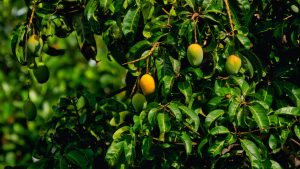
2. Mango (Mangifera indica)
As you move inland, mango trees begin to appear in home gardens and along quiet village roads. During mango season, the scent of ripe fruit fills the air. Varieties like Karthakolomban offer deep sweetness and a rich aroma that stays on your palate long after the last bite. Mango becomes more than a fruit here. It turns into pickles, chutneys, juices, and even curry, showing how deeply it is woven into daily life.
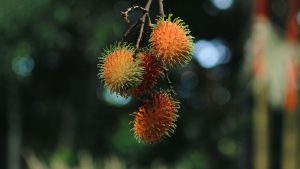
3. Rambutan (Nephelium lappaceum)
Traveling through wet zone regions introduces rambutan, a fruit that instantly catches your eye with its hairy red shell. Vendors pile them into baskets, and peeling one reveals translucent flesh that bursts with juice. Rambutan feels playful and refreshing, a small tropical surprise that often becomes addictive.
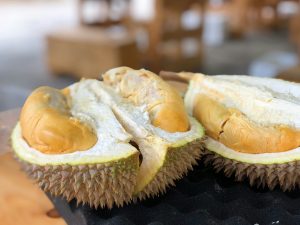
4. Durian (Durio spp.)
Durian presents a different kind of adventure. Its strong aroma may be intimidating at first, but locals encourage visitors to taste it with curiosity. Opening the spiky shell reveals creamy segments that taste far sweeter and more complex than expected. For many travelers, trying durian becomes a memorable milestone in their fruit journey.
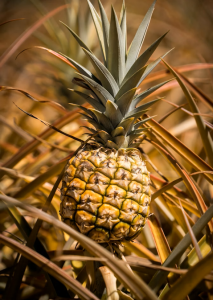
5. Pineapple (Ananas comosus)
Pineapple appears frequently in markets, often sliced and served with a sprinkle of salt or chili. Sri Lankan pineapples balance sweetness and acidity perfectly, and you may encounter them in pickles and curries that reflect the island’s love for contrasting flavors.
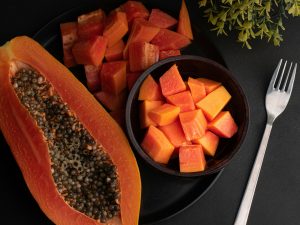
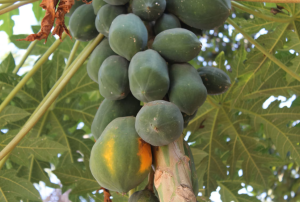
6. Papaya (Carica papaya)
Papaya offers a gentler experience, often appearing at breakfast tables across the country. A simple plate of papaya with lime captures Sri Lanka’s approach to food: fresh, uncomplicated, and nourishing. In rural kitchens, green papaya transforms into curry, proving the fruit’s versatility.
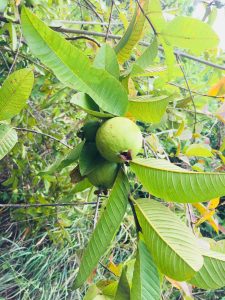
7. Guava (Psidium guajava)
Guava evokes childhood nostalgia for many Sri Lankans. Street vendors sell slices sprinkled with chili salt, creating a flavor combination that feels both bold and comforting. Walking through village paths, you may even be offered freshly picked guava by locals eager to share their garden harvest.
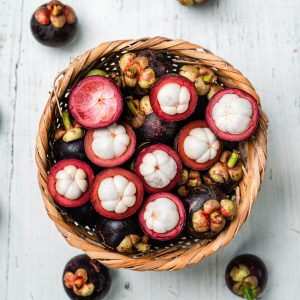
8. Mangosteen (Garcinia mangostana)
Mangosteen arrives quietly with the monsoon season, but its presence feels special. Opening the thick purple rind reveals delicate white segments that melt in your mouth. Its balance of sweetness and tang makes it one of the island’s most treasured seasonal treats.
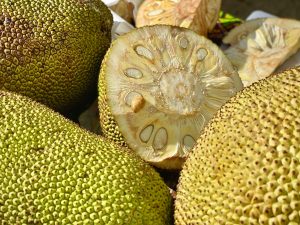
9. Jackfruit (Artocarpus heterophyllus)
Jackfruit introduces travelers to the concept of a fruit that behaves like both dessert and main course. Ripe jackfruit offers sweet aromatic bulbs, while young jackfruit transforms into savory curry that resembles meat in texture. Discovering jackfruit dishes across Sri Lanka becomes a lesson in culinary creativity.
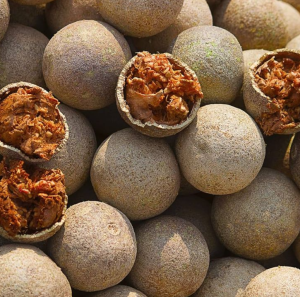
10. Wood Apple (Limonia acidissima)
Wood apple provides one of the most unique sensory experiences. Cracking open the hard shell reveals aromatic pulp that is blended into thick juice. The earthy sweet and sour flavor is unfamiliar yet deeply satisfying, often leaving travelers intrigued by its complexity.
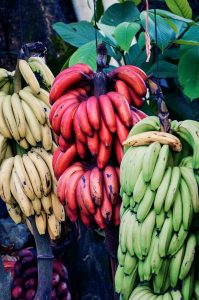
11. Red Banana (Musa acuminata)
Red banana appears in markets with its reddish skin and creamier texture, offering a richer alternative to common bananas. Watermelon, sold in chilled slices, becomes a reliable companion during long travel days under the tropical sun.
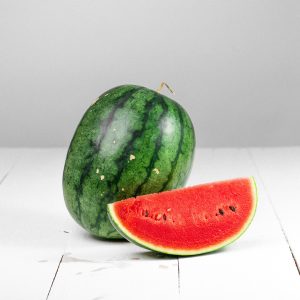
12. Watermelon (Citrullus lanatus)
Watermelon plays an important role in Sri Lanka’s hot climate, offering hydration and instant refreshment. Cultivated mainly in dry zone regions, the fruit appears frequently in roadside stalls where chilled slices are sold. Its juicy red flesh and high water content make it ideal for cooling the body, while the presence of lycopene contributes to heart and skin health. Watermelon is often enjoyed fresh, blended into juices, or added to fruit salads.
13. Ambarella – June Plum Tree (Spondias dulcis)
Ambarella introduces a playful street snack culture, where slices are dipped in chili and salt. Its crisp texture and sweet-sour flavor perfectly capture Sri Lanka’s love for bold taste combinations. The fruit grows easily in home gardens and rural landscapes. When raw, it is crisp and tart, often eaten with chili and salt, creating a popular street snack. As it ripens, ambarella develops a mild sweetness and is used in chutneys, pickles, and salads. Its fibrous nature supports digestion while its vitamin C content enhances immunity.
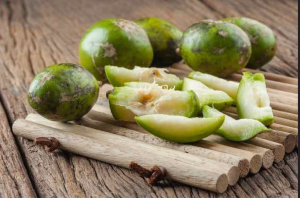
14. Weralu – Sri Lankan Olive (Elaeocarpus serratus)
Sri Lankan olive, locally called weralu, is valued for its sour profile and versatility in preservation. Though rarely eaten fully ripe, the fruit becomes a popular snack when pickled or salted. Weralu trees are commonly found in village areas, and the preserved fruit is often sold in small packets in markets. Its antioxidant content supports immune health, while its tangy flavor stimulates appetite.
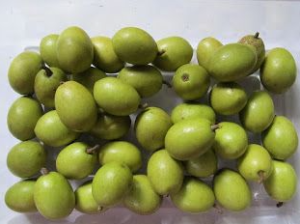
15. Gaduguda (Baccaurea motleyana)
Gaduguda represents the category of lesser-known village fruits that remain hidden from mainstream markets. Found mainly in rural environments, this fruit offers a pleasant balance of sweetness and tartness. It is typically eaten fresh, and children often collect it directly from trees during fruiting season. Its fiber and vitamin content contribute to digestive wellness, making it a simple yet nutritious snack.
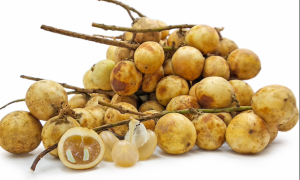
16. Donka – Cotton Fruit (Sandoricum koetjape)
Cotton fruit, known locally as donka, has a thick rind that encloses juicy pulp with a complex flavor combining sweet, sour, and slightly bitter notes. Though not widely commercialized, it remains a cherished fruit in traditional settings. The pulp is consumed fresh or incorporated into dishes, and its antioxidant content supports general health.
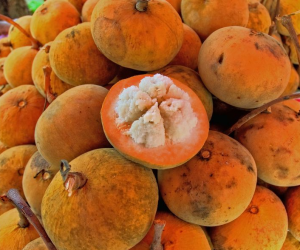
17. Kon / Ceylon Oak Fruit (Schleichera oleosa)
Kon, or Ceylon oak fruit, reflects the diversity of Sri Lanka’s indigenous fruit trees. This small fruit is traditionally consumed fresh and occasionally used in herbal remedies. While it may not appear in urban markets, it remains familiar in rural communities where foraging and home cultivation are common. The fruit’s vitamins and antioxidants support skin health and immunity.
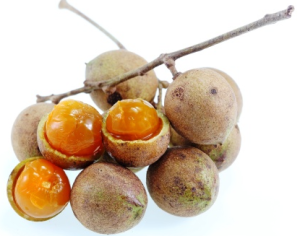
18. Uguressa (Flacourtia indica)
Uguressa, also called governor’s plum, is a berry-like fruit that transitions from tart to sweet as it ripens. It is frequently used in juices, desserts, and local beverages. Growing mainly in village environments, uguressa contributes to seasonal fruit diversity. Its antioxidant profile supports immune function and helps combat oxidative stress.
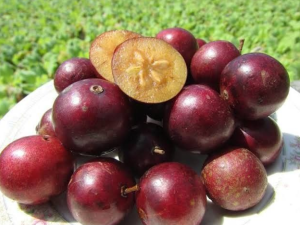
19. Mulberry (Morus nigra)
Mulberry grows in cooler regions and home gardens, producing clusters of dark purple berries that stain fingers when eaten fresh. The fruit is commonly used in homemade jams and desserts, reflecting traditional preservation practices. Mulberries contain anthocyanins that support brain health and provide anti-inflammatory benefits, making them nutritionally valuable despite their small size.
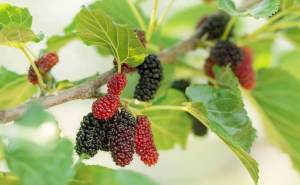
20. Sugar Cane (Saccharum officinarum)
Sugar cane, although technically a grass, occupies an important place in Sri Lankan fruit culture through fresh juice consumption. Vendors crush the stalks to extract sweet juice that provides instant energy. Chewing sugar cane is also a traditional practice, especially among children in rural areas. The juice’s natural sugars and mineral content contribute to hydration and energy replenishment.
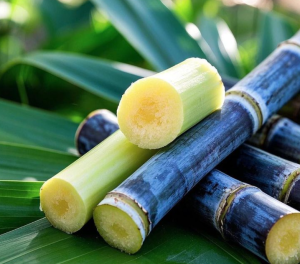
21. Dragon Fruit (Hylocereus undatus)
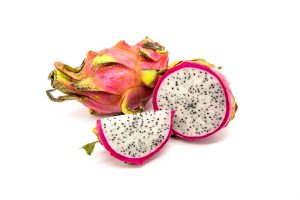
Dragon fruit cultivation has expanded in Sri Lanka due to increasing demand and favorable growing conditions. The fruit’s striking appearance, with bright pink skin and speckled flesh, attracts attention in markets. Its mild sweetness makes it suitable for smoothies, salads, and desserts. Dragon fruit’s fiber content supports digestion, while its antioxidants contribute to immune health.
22. Avocado (Persea americana)
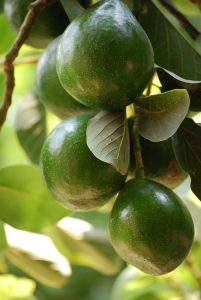
Avocado appears in Sri Lanka in an unexpected way. Instead of savory dishes, locals transform it into creamy sweet smoothies blended with sugar and milk. Cashew plum and naminām continue the theme of hidden rural treasures, each offering subtle yet memorable flavors.
23. Cashew Plum (Buchanania axillaris)
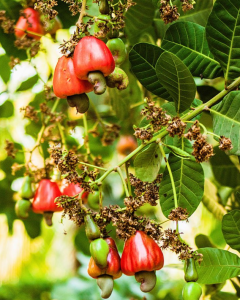
Cashew plum is found mainly in rural and forested areas and remains less visible in urban markets. Its sweet and slightly sour flavor offers a refreshing snack for those familiar with village fruit varieties. The fruit contributes vitamins and minerals that support bone health and immunity.
24. Naminam (Cynometra cauliflora)
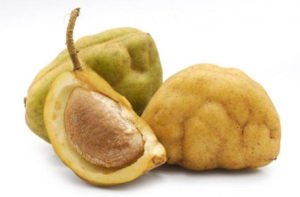
Naminam is another rare fruit that highlights Sri Lanka’s botanical diversity. With its tangy and mildly acidic flavor, it is often used in jams and preserves. Although not widely cultivated commercially, naminām continues to be appreciated in traditional settings for its digestive benefits and vitamin content.
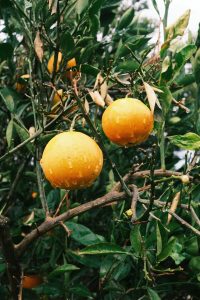
25. Grapefruit (Citrus × paradisi)
Grapefruit grows in home gardens and offers a refreshing bitter-sweet taste distinct from other citrus fruits. It is consumed fresh or juiced and is valued for its antioxidant content. The fruit supports heart health and is often associated with weight management due to its fiber and low-calorie profile.
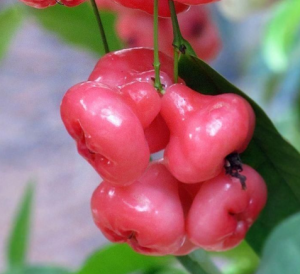
26. Jambu – Rose Apple (Syzygium jambos)
Rose apple is recognized for its crisp texture and subtle floral aroma. Its bell-shaped appearance and hydrating qualities make it a refreshing snack, particularly during warm weather. Though mild in flavor, rose apple contributes vitamins and hydration, supporting skin and overall health.
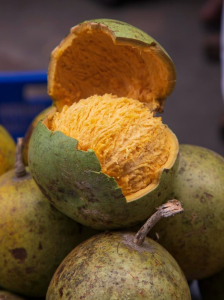
27. Beli – Bael Fruit (Aegle marmelos)
Bael fruit holds a special place in traditional medicine and beverage culture. Its hard shell protects aromatic pulp that is used to prepare herbal drinks known for digestive benefits. Bael juice is commonly consumed as a natural remedy for gut health, reflecting the fruit’s therapeutic reputation.
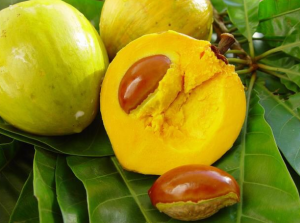
28. Lawulu – Egg Fruit (Pouteria campechiana)
Yellow sapote, often called egg fruit, features a dense creamy texture reminiscent of pumpkin or sweet potato. It is usually eaten fresh or incorporated into desserts. The fruit’s carotenoid content supports eye health and immunity, while its richness makes it a satisfying snack.
29. Dan (Syzygium caryophyllatum)
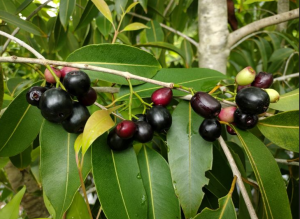
Dan fruit is a wild berry commonly found in forest areas and village landscapes. Its deep purple color indicates a strong antioxidant profile, and its sweet-tart flavor adds variety to seasonal fruit experiences. The fruit is typically eaten fresh when available.
30. Pepino Melon (Solanum muricatum)
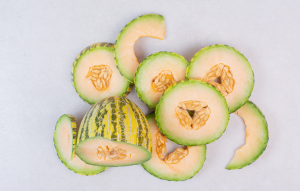
Pepino melon is gaining popularity in Sri Lanka due to its refreshing taste that combines melon and cucumber characteristics. Its striped skin and juicy flesh make it visually appealing. Pepino is usually eaten fresh and valued for its hydrating properties and vitamin content.
Fruits of Sri Lanka reflect the island itself, colorful, diverse, and unforgettable. Whether you’re sipping fresh king coconut on a beach or tasting rare village fruits, exploring Sri Lanka through its fruits is a sensory journey you shouldn’t miss.
If you’re visiting Sri Lanka, be sure to explore local markets, roadside fruit stalls, and village gardens to experience these flavors at their freshest.












Leave a Reply