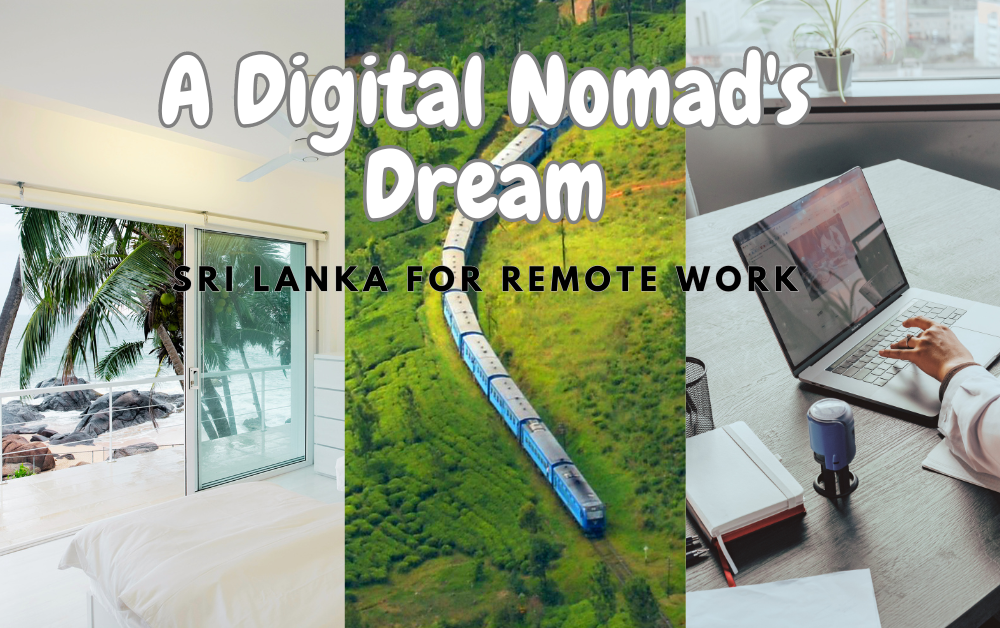
Are you dreaming of combining work and travel in a tropical paradise? Look no further than Sri Lanka, a hidden gem that’s quickly becoming a top destination for remote work. This island nation offers a perfect blend of natural beauty, rich culture, and modern amenities that cater to the needs of digital nomads seeking a change of scenery.
As you embark on your remote work journey in Sri Lanka, you’ll discover a world of opportunities. From bustling cities with coworking spaces and high-speed internet to serene beach towns with breathtaking views, the country has something for every type of digital nomad. You’ll enjoy a low cost of living, delicious Sri Lankan cuisine, and a welcoming community that makes it easy to settle in. Whether you’re looking to boost your productivity in a vibrant workspace or find inspiration in the island’s lush landscapes, Sri Lanka is ready to become your new home away from home.
Why Sri Lanka is Attracting Digital Nomads
Sri Lanka is quickly becoming a hotspot for digital nomads, offering a unique blend of natural beauty, affordability, and emerging opportunities. As you consider your next remote work destination, here’s why this tropical paradise might be the perfect choice for you.
Natural Beauty
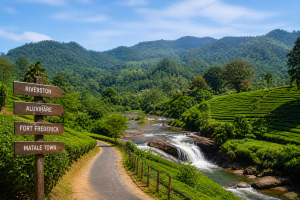
When you choose Sri Lanka as your remote work base, you’re surrounded by breathtaking landscapes at every turn. Picture yourself sipping from a fresh coconut, your eyes alternating between your screen and the sea. The island’s diverse geography means you can easily switch up your scenery. One day, you might be working by a breezy lake near the wilderness, and the next, you could be in the heart of lush tea estates.
Sri Lanka’s relatively small land area of 25,330 sq mi is astonishingly varied. You’ll find an array of tropical sceneries including rainforests, cloud forests, mountains, hills, islands, lagoons, mangroves, and miles of pristine beaches. This diversity allows you to tailor your work environment to your mood and preferences.
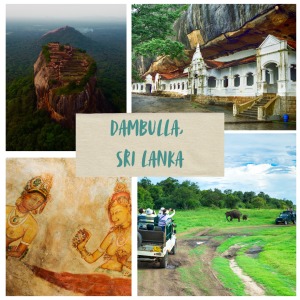
After logging off, you can immerse yourself in the island’s natural wonders. Swim with sea turtles, drift off to sleep in a hammock listening to ocean waves, or explore ancient ruins. The country’s unique monsoon-based climate ensures that it’s always sunny somewhere on the island, allowing you to chase the perfect weather for your workday.
Low Cost of Living
One of the most appealing aspects of Sri Lanka for digital nomads is its affordability. You’ll find that your budget stretches further here than in many other exotic destinations. The cost of living is relatively low, making it an ideal choice if you’re working remotely and travelling on a budget.
On average, you can expect to spend about USD 30 per day as a tourist, with costs potentially lower for budget travellers. As a digital nomad, your monthly expenses could range from USD 700 to USD 1,000, covering accommodation, food, transportation, internet, and coworking space fees.
Here’s a breakdown of some typical costs as of 2023:
- Budget guesthouse: AUD 10-20 per night
- Rice and curry meal: AUD 2-5
- Bus journey: AUD 2
- Tuk-tuk: AUD 0.70 per km
- 50GB SIM card for 30 days: AUD 10
- Co-working space per day: AUD 7-10
Accommodation options are diverse and can fit various budgets. You can find affordable rooms and villas inland for under USD 500 per month, while beachfront locations or more upscale options might cost more. Food prices vary depending on whether you opt for local cuisine or international dishes, with local meals being particularly budget-friendly.
Emerging Tech Scene
While Sri Lanka may not yet rival the tech scenes of other renowned digital nomad hotspots, it is rapidly evolving to cater to the needs of remote workers. The country is witnessing significant growth in coworking spaces and cafes with high-speed internet, especially along the stunning south coast.
In cities like Colombo and Mirissa, you’ll discover some of the best coworking spaces and cafes designed for productivity. Prices typically range from 750 to 2000 rupees per day, depending on the amenities and location. Many of these spaces are housed in modern high-rise buildings, providing a traditional office atmosphere, while others are nestled in serene natural settings. For those seeking a perfect blend of work and relaxation, venues like Outpost Weligama offer beachfront coworking spaces complete with on-site cafes and sea-view rooms. In Ahangama, Nomads Colive provides a peaceful retreat, featuring comfortable villas, high-speed internet, and versatile coworking options along the banks of Koggala Lake.
Although power outages can occur, particularly outside Colombo, many coworking spaces are equipped with generator backup systems to ensure your work remains uninterrupted. The availability of affordable and reliable 4G plans further enhances your connectivity wherever you roam.
As Sri Lanka continues to attract digital nomads, its tech infrastructure is likely to improve even more, making it an increasingly appealing destination for remote workers seeking a tropical paradise with modern amenities.
Best Cities for Remote Work in Sri Lanka
Sri Lanka is quickly becoming a hotspot for digital nomads, offering a unique blend of natural beauty, affordability, and emerging opportunities. As you explore the island nation, you’ll find several cities that cater to remote workers, each with its own charm and amenities.
Colombo
As the capital city, Colombo stands out as the best digital nomad hub in Sri Lanka. You’ll find a plethora of coworking spaces, coffee shops, and trendy cafes that make remote work a breeze. While the internet speed might not be lightning-fast, it’s generally sufficient for most tasks, including uploading YouTube videos.
Some of the best places to get work done in Colombo include:
- Java Lounge: This cafe boasts the best internet on the entire island, with speeds up to 30 MBPS thanks to their Fiber Optic network. It’s so good that some digital nomads drive daily just to work here
- Black Cat Café: Located next to a coworking space and hostel, this cafe offers consistent 5MBPS internet. While the prices are a bit high by Sri Lankan standards, it’s a quiet and comfortable spot to work.
Colombo also offers a range of accommodation options, from budget-friendly guesthouses to upscale hotels with business facilities.
Galle
Galle, particularly the Galle Fort area, is another excellent choice for digital nomads. This walled city south of Colombo offers a unique blend of history and modern amenities. Hotels and villas within the fort often provide good connectivity, making it easy to work while surrounded by colonial charm. While there might not be as many dedicated coworking spaces as in Colombo, you’ll find plenty of cafes and restaurants that welcome remote workers. The proximity to beautiful beaches like Unawatuna makes it an ideal spot to balance work and leisure.
Mirissa
Mirissa, a picturesque beach town, is gaining popularity among digital nomads. It’s an excellent place for those seeking a work-life balance, especially if you’re into surfing or beach activities.
Some notable spots in Mirissa include:
- Colours Hostel: Located just a 10-minute walk from the beach, this hostel offers internet speeds between 5-10 MBPS and an amazing breakfast.
- Space Garden Hostel: This spot boasts the best wifi speed in Mirissa, with 10-15 MBPS in their downstairs café.
Mirissa also has a vibrant digital nomad community, with regular meetups and events. The stretch from Ahangama to Weligama, which includes Mirissa, is particularly popular among remote workers.
Ella
Surprisingly, Ella, a highland town known for its natural beauty, has emerged as a decent spot for digital nomads. While the internet speeds might not be as fast as in Colombo or Mirissa, you’ll find numerous cafes offering wifi.
Some popular places to work from in Ella include:
- One Love Cafe: This multi-story cafe offers a cool hippie atmosphere with hammocks and bean bags. While the wifi speed is around 2-5 MBPS, the ambience and food make up for it.
- Chill Bar: Popular among tourists and digital nomads alike, Chill Bar offers around 5 MBPS internet speed and reasonable prices for Western food.
Ella’s cooler temperatures and fresh air make it an attractive option for those who prefer working in a more natural setting.
As you choose your base in Sri Lanka, remember that most internet connections come from mobile 4G routers. It’s a good idea to get a local SIM card with a data plan for backup. With prices around 2-3 USD for 5GB of 4G connection, or 10 USD for a basic unlimited plan, staying connected is affordable.
Whether you prefer the bustling city life of Colombo, the historical charm of Galle, the beach vibes of Mirissa, or the highland serenity of Ella, Sri Lanka offers diverse options for digital nomads. Each city has its unique appeal, catering to different work styles and preferences.
Top Coworking Spaces and Cafes
As a digital nomad in Sri Lanka, you’ll find a growing number of coworking spaces and cafes that cater to remote workers. These spaces offer the perfect blend of productivity and comfort, allowing you to focus on your work while enjoying the island’s vibrant atmosphere.
Colombo Coworking Options
Colombo, the capital city, boasts several modern and well-equipped coworking spaces. One standout option is Worx Workspaces, which offers a unique Zen atmosphere across three sites in Colombo 5. With monthly memberships starting from 27,000 LKR (approximately 82 USD), Worx provides high-speed internet, 24-hour security, and amenities like swimming pools and onsite cafes.
For a more budget-friendly option, consider Hub9. With hot desks available from 2,000 LKR (about 24 USD) per day, Hub9 offers three centrally located spaces in Colombo. Users appreciate the reasonable prices, friendly atmosphere, and free printing services.
If you’re looking for a luxurious working environment, Likuid Spaces might be your best bet. With two modern locations in Colombo 01 and 04, Likuid Spaces offers a range of amenities, including a tropical rooftop and highly sought-after meeting rooms. Monthly passes start from 75,000 LKR (around 228 USD).
Beach Town Workspaces
For those who prefer to work near the beach, Sri Lanka’s coastal towns offer some excellent options. In Ahangama, you’ll find Focus Hub, which provides a comfortable working environment with delicious food options. Their Poke bowls and coffee come highly recommended by users.
Nearby in Weligama, Outpost is a well-established coworking space that offers a beachfront location. When you need a break, you can take a dip in their pool or head straight to Weligama Bay.
In Mirissa, Surf and Yoga has recently opened a small coworking space called “Loose Keys.” It’s perfect for digital nomads who want to balance work with surfing and yoga sessions.
For a unique experience, check out Kalatmaka in Ahangama. Located just 100m from Kabalana beach, this space offers a Zen-like atmosphere with jungle views. It’s particularly popular among surfers, as it’s opposite one of the main surf breaks. A monthly pass costs 36,000 LKR (about 110 USD).
When choosing a coworking space in Sri Lanka, consider factors like location, amenities, and community events. Many spaces offer flexible membership options, from daily passes to monthly subscriptions, allowing you to find the perfect fit for your work style and budget. Remember, these spaces not only provide a productive environment but also offer opportunities to network with fellow digital nomads and local entrepreneurs.
Accommodation Options for Digital Nomads
As a digital nomad in Sri Lanka, you have several accommodation options to choose from, each catering to different preferences and budgets. Whether you’re looking for short-term stays, community-focused living, or long-term rentals, Sri Lanka offers a variety of choices to suit your needs.
Short-term Rentals
For those seeking flexibility and variety, short-term rentals are an excellent option. You can find a range of accommodations on platforms like Booking.com and Airbnb. These platforms offer everything from hostels and guesthouses to private villas, allowing you to experience different parts of the island.
If you’re planning to visit during peak season (November to April) on the south coast, it’s advisable to book in advance. Outside this period, you can often book just a day ahead, giving you more spontaneity in your travels.
For budget-conscious travellers, walking around town and inquiring at small, family-owned guesthouses can lead to great deals. In places like Hiriketiya, you might find rooms to rent at very affordable prices that you can negotiate offline.
Co-living Spaces
Coliving spaces are gaining popularity among digital nomads in Sri Lanka, offering a perfect blend of work and community. These spaces typically provide furnished rooms or apartments, high-speed internet, and dedicated workspaces, making them ideal for remote workers.
One popular option is Colive in Ahangama. Located near the beach, it offers private rooms with desks, a large outdoor pool, a garden, a terrace, a bar, restaurant, and a spacious co-working area. The amenities and proximity to the beach make it an attractive choice for digital nomads.
Another standout is Outpost in Weligama, considered one of the best coworking spots in Sri Lanka. It offers a modern, spacious environment with various membership options and private offices for those needing extra privacy.
For a more intimate setting, consider Nets Cowork & Colive. With around 15 rooms, it provides a cozy atmosphere while still offering opportunities to socialize. You can choose between booking just a room or opting for a full package that includes breakfast and activities.
These coliving spaces often organize social events, skill-sharing sessions, and even parties, helping you connect with like-minded individuals.
Long-term Apartment Rentals
If you’re planning an extended stay in Sri Lanka, long-term apartment rentals might be your best bet. However, finding the right place can be challenging, especially if you’re looking for mid-range options.
For budget-friendly options, you can find cheap rooms and villas further inland for under $500 per month. On the other end of the spectrum, high-end hotels and boutique options start from $80 per night.
A pro tip: If you arrive in the South before the peak season starts in December, it’s relatively easy to find a two-bedroom villa for $400-500 per month with air conditioning and some conveniences. The best way to find these deals is to explore the area on a bike and look for “for rent” signs. Local Facebook groups are also good sources for listings before the season starts.
When considering long-term rentals, factor in additional costs. You might need to purchase dedicated unlimited internet separately (around $40 per month) and budget for higher electricity bills if you use air conditioning frequently.
Remember, accommodation options and prices can vary greatly depending on the location and season. Popular digital nomad hotspots like Hiriketiya, Weligama, and Ahangama offer a range of options, from budget-friendly guesthouses to upscale boutique stays. By exploring different options and potentially negotiating directly with property owners, you can find the perfect accommodation to suit your needs and budget as a digital nomad in Sri Lanka.
Getting Around and Connectivity
Transportation Options
As a digital nomad in Sri Lanka, you have several transportation options to explore the island. While it may not be as convenient as some other popular digital nomad destinations, you can still get around efficiently. Here are your main choices:
- Motorbike Rental: For maximum freedom, renting a motorbike is a popular option. Monthly rentals range from 35,000 to 65,000 LKR (approximately 110-210 USD). During off-peak seasons, prices can be as low as 25,000-35,000 LKR (80-110 USD) per month. However, be aware that riding without an International Driving License (IDP) and using surf racks is illegal in Sri Lanka.
- Tuk-Tuk Rental: You can rent a tuk-tuk for about 20 USD per day or 120,000 LKR (385 USD) per month. Alternatively, you can hire tuk-tuk drivers on demand, with fares ranging from 300 to 2,000 LKR (1-6 USD) per trip, depending on distance and time of day.
- Private Cars with Drivers: This option provides comfort and convenience, especially for longer journeys.
- Busses: Local busses are incredibly cheap, with one-way tickets costing less than 50-100 LKR (0.15-0.30 USD). However, they can be crowded and may not be suitable if you’re carrying large items like surfboards.
- PickMe App: This local ride-hailing app can help you estimate fares and find rides, especially useful when dealing with tuk-tuk drivers who might overcharge.
Internet and SIM Cards
Staying connected is crucial for digital nomads, and Sri Lanka offers affordable options for mobile data and calls.
- Mobile Operators: The main providers are Dialog and Mobitel, both offering reliable coverage across the island. Dialog tends to have better coverage in the south, while Mobitel dominates in the east.
- SIM Card Costs: You can purchase a SIM card for 100 to 500 LKR. Data plans start from around 50 LKR for smaller bundles. For about 2-3 USD, you can buy 5 GB of data, while 10 USD can get you an unlimited package.
- Where to Buy: You can purchase SIM cards at the airport, mobile network stores, or local grocery stores. Buying at the airport can be convenient for short-term visitors, though prices might be slightly higher.
- eSIM Option: Dialog offers eSIM technology, which can be handy if you want to avoid getting a physical SIM card.
- Wi-Fi Availability: While Wi-Fi is available in many hotels, restaurants, and cafes, it’s often not very reliable or strong, especially outside of Colombo. Having a local SIM card ensures you have internet access wherever you go.
- Coworking Spaces: These often provide the strongest and most efficient Wi-Fi, making them essential for digital nomads with high internet demands.
Remember, roaming charges for international visitors can be expensive, so it’s recommended to purchase a local SIM card upon arrival. With these transportation and connectivity options, you’ll be well-equipped to navigate and work remotely in Sri Lanka.
Conclusion
Sri Lanka’s emergence as a digital nomad hotspot offers a unique blend of natural beauty, affordability, and growing opportunities for remote workers. This island nation caters to diverse preferences, from bustling Colombo with its modern coworking spaces to serene beach towns like Mirissa and Ahangama. With a low cost of living, breathtaking landscapes, and an improving tech scene, Sri Lanka has a strong appeal for those looking to combine work and travel in a tropical paradise.
To maximize your digital nomad experience in Sri Lanka, it’s essential to plan ahead for accommodation and connectivity. Options abound, including short-term rentals, coliving spaces, and long-term apartments, ensuring there’s something to fit your budget and lifestyle. By acquiring a local SIM card and exploring various transportation methods, you’ll be well-equipped to navigate the island while staying connected. Ultimately, Sri Lanka offers a unique opportunity to boost your productivity while immersing yourself in rich culture and stunning natural surroundings.




Leave a Reply