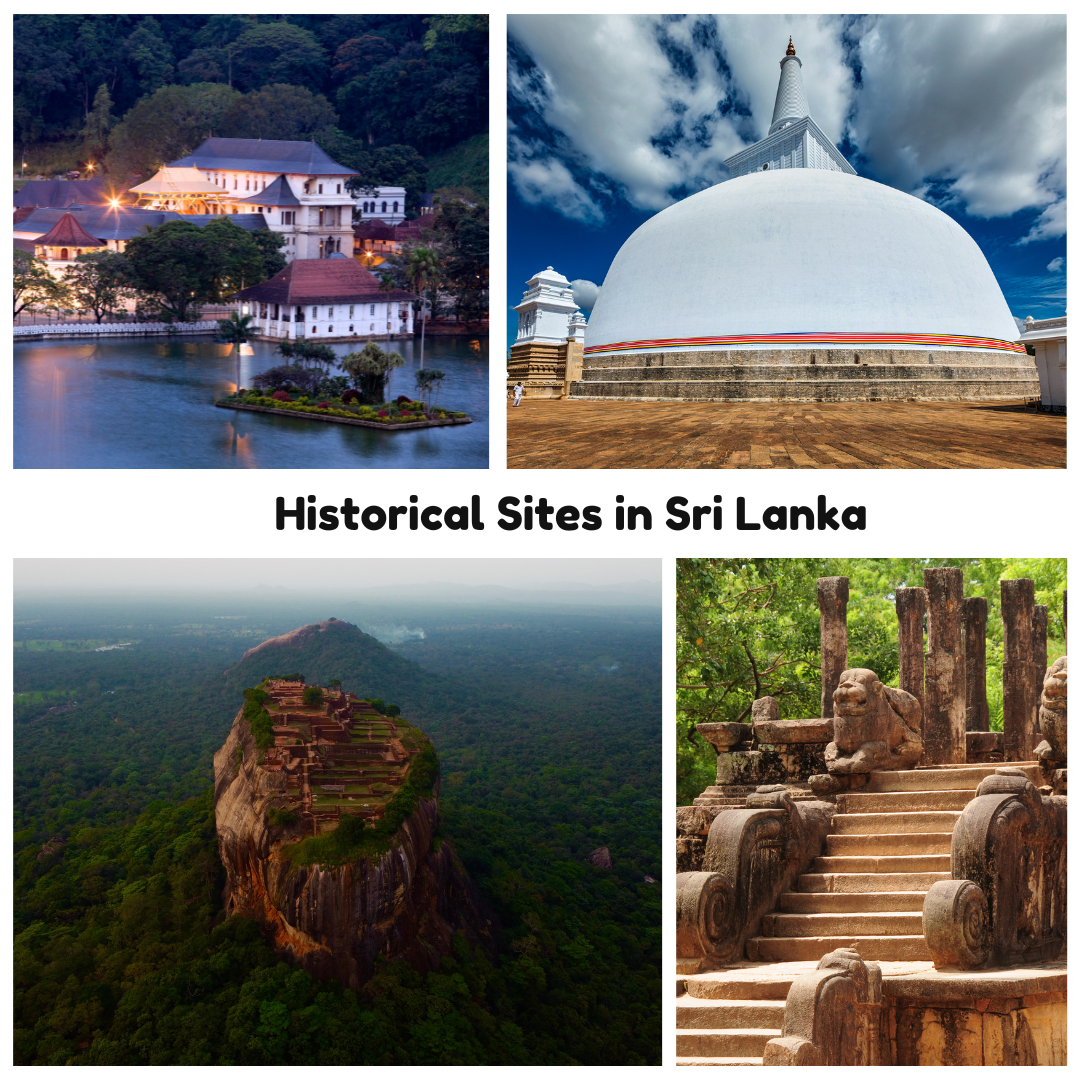
Sri Lanka is a land steeped in history, where ancient capitals, architectural marvels, and spiritual landmarks form a tapestry of cultural heritage. Preserving these historical sites is crucial not only for the nation’s identity but also for promoting cultural awareness and education. In this article, we will explore some of the most significant historical sites in Sri Lanka, including ancient capitals like Anuradhapura and Polonnaruwa, as well as notable UNESCO World Heritage Sites that continue to fascinate travellers from around the world.
Anuradhapura – The Ancient Capital
Anuradhapura stands as a testament to Sri Lanka’s glorious past, having served as the island’s capital for over a millennium. Founded in the 4th century BCE, this ancient city became the heart of Sri Lankan civilization, with deep spiritual significance tied to Buddhism. The well-preserved ruins, dating from the 10th to 12th centuries, offer a glimpse into its grandeur, showcasing unique architectural features such as towering stupas (Buddhist monuments), elaborate monasteries, and intricate stone carvings.
Key highlights include the Jetavanaramaya Stupa, once one of the tallest structures in the ancient world, and the Sri Maha Bodhi, a sacred tree believed to be the oldest historically authenticated tree in the world. These relics underscore Anuradhapura’s historical importance as not just a political capital but also a major centre for Buddhism.
Polonnaruwa – A Glimpse into the Medieval Era
The city of Polonnaruwa took over as the capital after Anuradhapura’s decline, marking a significant shift in Sri Lankan history during the 11th century. As a medieval capital, Polonnaruwa rose to prominence with its advanced irrigation systems that played a pivotal role in transforming agriculture. These systems, some of which are still in use today, included vast reservoirs and canals that helped sustain the region’s paddy cultivation.
The Royal Palace, the Gal Vihara rock temple with its carved Buddha statues, and the Parakrama Samudra reservoir are among Polonnaruwa’s most remarkable attractions. The city’s well-planned urban layout and architectural elegance provide valuable insights into the innovations of the medieval era.
Sigiriya – The Majestic Lion Rock Fortress
Perched atop a colossal rock, Sigiriya, also known as the “Lion Rock,” is one of Sri Lanka’s most iconic historical sites. Rising dramatically from the surrounding plains, Sigiriya’s unique structure offers breathtaking views from the summit, making the climb a rewarding experience. In the 5th century, King Kasyapa transformed the site into a royal citadel, building his palace atop the rock, complete with beautiful gardens and water features.
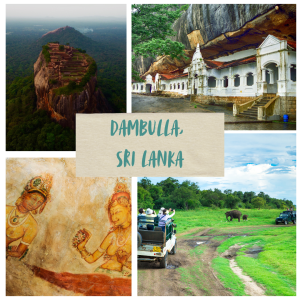
Visitors are captivated by the frescoes adorning the rock face, depicting celestial maidens with intricate details that speak to the artistic mastery of the time. The Lion’s Gate, featuring massive stone paws, once marked the entrance to the upper palace, symbolizing the fortress’ strength and grandeur. Sigiriya’s architectural and artistic legacy makes it an invaluable part of Sri Lanka’s cultural heritage.
Kandy – The Last Stronghold of Sinhala Kings
Located in the heart of Sri Lanka, Kandy served as the last stronghold of the Sinhala kings, retaining its status as the island’s capital until the early 19th century. The city’s cultural significance is closely tied to the Temple of the Tooth Relic, one of Buddhism’s most sacred pilgrimage sites. The temple houses a revered relic believed to be the tooth of the Buddha, drawing countless devotees and visitors each year.
Kandy’s Esala Perahera, an annual cultural procession featuring traditional dancers, drummers, and decorated elephants, further emphasizes the city’s rich cultural traditions. As a city that resisted colonial rule longer than any other in Sri Lanka, Kandy stands as a symbol of resilience and cultural pride.
Notable UNESCO World Heritage Sites in Sri Lanka
Sri Lanka is home to several other UNESCO World Heritage Sites that add to its historical allure. Two standout locations worth exploring are the Dambulla Cave Temple and Galle Fort, each offering a distinct glimpse into the island’s diverse history.
Dambulla Cave Temple – A Marvelous Cave Complex with Buddha Statues
The Dambulla Cave Temple, also known as the Golden Temple of Dambulla, is an extensive cave complex that has been a centre of worship for over two thousand years. Situated on a rocky outcrop, the temple complex features over 150 Buddha statues and numerous mural paintings that adorn the walls and ceilings. The murals depict scenes from the life of the Buddha, combining artistry with spirituality to create a captivating ambience. As a well-preserved example of ancient Buddhist art, Dambulla offers invaluable insight into Sri Lanka’s religious heritage.
Galle Fort – Where Colonial Architecture Meets Maritime History
Galle Fort, a fortified city along the southern coast, has a rich history that spans several centuries. Originally built by the Portuguese in the 16th century and later expanded by the Dutch, the fort played a strategic role in maritime trade routes. Its colonial architecture, blending Dutch Baroque styles with South Asian influences such as intricate wooden carvings, makes it a unique historical site.
The fort’s narrow streets, lined with colonial-era buildings, boutique hotels, and charming cafes, provide a nostalgic glimpse into the past. The Galle Lighthouse and the Dutch Reformed Church are notable landmarks within the fort, illustrating the architectural and cultural exchanges that have shaped this historic city.
Preserving Sri Lanka’s Rich Cultural Heritage Through Tourism
The historical sites in Sri Lanka not only attract tourists but also play an essential role in promoting cultural education and understanding. These landmarks serve as open-air museums, offering visitors a chance to explore the island’s past while encouraging the preservation of heritage sites. Responsible tourism practices are vital to maintaining the integrity of these sites, ensuring that future generations can appreciate their beauty and significance.
As you plan your next adventure, consider visiting Sri Lanka’s historical sites with a mindful approach, respecting their cultural and spiritual value. Whether exploring ancient capitals, climbing the Lion Rock, or strolling through Galle Fort, you’ll find that these destinations offer a profound connection to the island’s history.
Embark on a journey through time, and experience the living history of Sri Lanka’s cultural heritage.






Leave a Reply