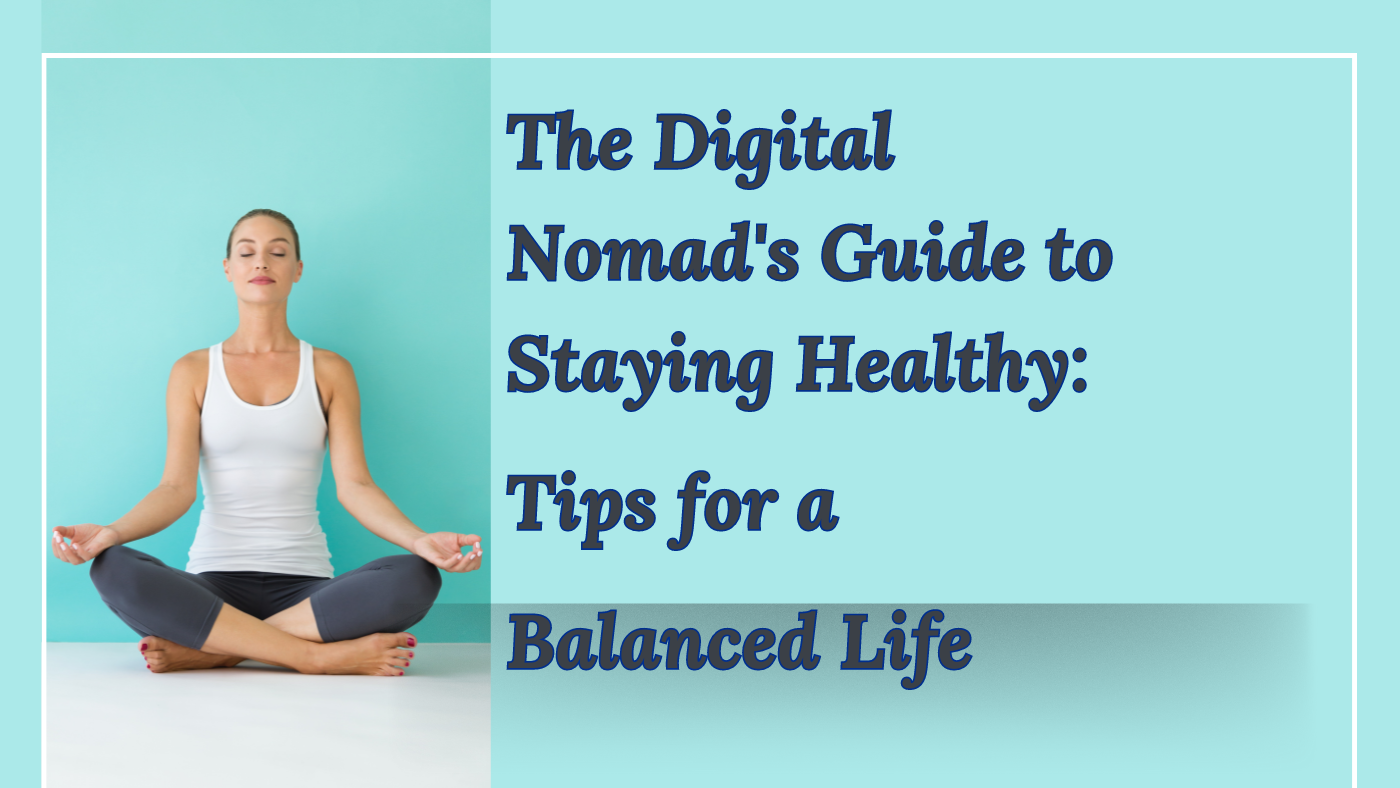
Maintaining a healthy lifestyle for digital nomads can be challenging, yet it’s crucial for long-term well-being. Constant travel requires balancing work, nutrition, and fitness to stay physically and mentally fit. This guide offers practical strategies for digital nomads to prioritize health, including tips on nutritious eating, effective exercise routines, and managing stress. No matter where your travels take you, you can adopt habits that support a healthy and balanced lifestyle on the road.
Nutrition Essentials for the Traveling Professional
Planning Balanced Meals on the Go
Eating healthy while travelling doesn’t have to be difficult. With a little planning, you can ensure you’re getting the nutrients you need:
- Meal Prep Strategies: Prepare meals in bulk when possible. Invest in portable containers, so you can easily store leftovers for future meals.
- Local Grocery Shopping Tips: Instead of relying on fast food, visit local grocery stores or markets. Not only will you save money, but you’ll also have access to fresh, local produce.
- Healthy Snacks for Energy: Pack nutrient-rich snacks like nuts, dried fruit, and protein bars. These are easy to carry and will keep you energized during your travels.
Meeting Your Dietary Needs
Maintaining a balanced diet away from home can be tricky, but it’s essential:
- Macronutrients and Micronutrients: Ensure your diet includes a good balance of proteins, carbs, fats, and essential vitamins. A balanced diet is crucial for maintaining energy and focus.
- Dietary Restrictions: Whether you’re vegan, gluten-free, or lactose-intolerant, research local restaurants and grocery stores that cater to your dietary needs before you arrive.
Enjoying Local Cuisines Healthily
One of the joys of travel is sampling local food, but it’s important to do so mindfully:
- Smart Restaurant Choices: Opt for grilled or steamed options instead of fried foods. Ask for dressings or sauces on the side to control portion sizes.
- Trying Local Dishes: Savor the local cuisine, but avoid overindulgence. Focus on tasting rather than feasting.
- Healthy Options Across Cultures: Many global cuisines feature healthy staples like fresh seafood, vegetables, and whole grains. Embrace these options wherever you go.
Exercise Routines for a Mobile Lifestyle
Creating a Workout Schedule That Works for You
Keeping a regular workout routine while traveling is essential for a healthy lifestyle for digital nomads. It’s easier than you think! Here are a few tips to keep you active on the road:
- Find Time to Exercise: Block out time in your schedule for exercise, even if it’s just 20 minutes.
- Incorporate Short Workouts: Try bodyweight exercises that don’t require equipment, like push-ups, squats, and planks. These can be done in your hotel room or outside.
- Set Realistic Fitness Goals: Be mindful that your workouts might not be as consistent as when you’re stationary. Set small, achievable goals to stay motivated.
Quick and Effective Workouts
When time is tight, you can still fit in a great workout:
- Bodyweight Exercises: Focus on high-intensity intervals like jumping jacks, burpees, and lunges. These exercises can be done anywhere and don’t require a gym.
- Hotel Gym Facilities: Many hotels have gyms, so take advantage of these when available.
- Outdoor Activities: Walking, hiking, swimming, or cycling are all excellent ways to stay fit while exploring your destination.
Staying Active While Sightseeing
Combining exercise with sightseeing is a fun way to stay active:
- Walking and Biking: Walk instead of using public transportation. Rent a bike to explore new cities while burning calories.
- Join Local Fitness Groups: Many cities have fitness classes or running groups that welcome travellers.
- Cultural Exploration Through Activity: Take part in local activities like yoga on the beach, martial arts, or dance classes.
Mental Well-Being for Nomads
Managing Stress in New Environments
Traveling to new places can sometimes be overwhelming. Manage stress with these techniques:
- Relaxation Techniques: Practice deep breathing exercises, meditation, or progressive muscle relaxation to keep stress at bay.
- Mindfulness Practices: Use apps like Headspace or Calm to maintain mindfulness, which helps you stay focused and present while on the go.
- Journaling: Reflecting on your experiences in a travel journal can be a powerful way to process emotions and reduce mental clutter.
Maintaining Social Connections on the Move
Being a digital nomad doesn’t mean you have to feel isolated. To maintain a healthy lifestyle for digital nomads, it’s crucial to build a support network.
- Building a Support Network: Connect with other digital nomads through online communities or coworking spaces.
- Stay in Touch with Loved Ones: Schedule regular calls or video chats with family and friends to maintain strong social bonds.
- Coworking Spaces for Socialization: Join a coworking space to meet fellow travellers and professionals in your area.
Balancing Work and Leisure
Striking the right balance between work and relaxation is key to long-term happiness:
- Set Work Boundaries: Create a clear separation between work hours and personal time. Avoid working late into the night unless absolutely necessary.
- Incorporate Leisure Activities: Dedicate time to explore and enjoy your surroundings. This helps maintain a healthy work-life balance.
- Downtime for Mental Health: Don’t neglect relaxation. Take time off to unwind and recharge, even if your work is location-independent.
Preventative Healthcare for Travelers
Staying Up-to-Date on Vaccinations and Medications
Travelling exposes you to different health risks, so be prepared:
- Vaccinations: Research the vaccines recommended for the regions you’ll visit.
- Travel Health Kit: Carry a basic health kit that includes pain relievers, antiseptics, and any prescription medications you may need.
- Local Healthcare Options: Know where the nearest hospitals and clinics are in each destination.
Recognizing and Addressing Common Health Issues
Be aware of common health problems while on the road:
- Travel-Related Illnesses: Watch out for symptoms of jet lag, food poisoning, or dehydration.
- Stress Injuries: Long flights or constant travel can lead to muscle strain or stress injuries. Stay active to prevent this.
- Medical Attention Abroad: Know when to seek professional help, and don’t hesitate to visit a doctor if something feels off.
Healthy Travel Transitions
Moving between time zones and climates can be taxing on your body:
- Jet Lag Tips: Gradually adjust your sleep schedule to match your new destination. Avoid alcohol and caffeine before sleep.
- Time Zone Adjustments: Sync your meal times and sleeping patterns with the local time to reduce travel fatigue.
- Establish New Routines: Create consistent daily habits, no matter where you are, to maintain stability and wellness.
Finding Balance in a Flexible Lifestyle
Setting Realistic Health Goals
Set achievable goals that suit your travel lifestyle:
- Wellness Objectives: Focus on long-term health by setting goals that fit into your travel plans.
- Track Progress: Use fitness apps or journals to monitor your health goals, no matter where you are.
Embracing Flexibility in Your Routine
Life on the road is unpredictable, so stay adaptable:
- Schedule Flexibility: Don’t be too hard on yourself if your plans change. Embrace spontaneity and make the most of every situation.
- Handle Challenges with Ease: Keep calm when unexpected challenges arise, such as bad weather or canceled plans.
- Health Through New Experiences: Try local wellness practices, such as traditional massages or meditation techniques, to enhance your health journey.
The Importance of Self-Care
Self-care is crucial when you’re constantly on the move:
- Recognize Burnout: Pay attention to the signs of burnout and take breaks when needed.
- Integrate Self-Care Practices: Practice self-care daily, whether it’s through mindfulness, skincare routines, or quiet time.
- Healthy Indulgence: It’s okay to indulge in local experiences without compromising
Summary
Maintaining a healthy lifestyle for digital nomads involves being mindful of your nutrition, staying active, managing stress, and prioritizing self-care. Your health is your greatest asset, so it’s essential to focus on well-being to thrive in both work and travel. By implementing these practices, you can ensure a balanced lifestyle on the move, making the most of your adventures while staying healthy and energized.







Leave a Reply